Where the Right Mat Makes All the Difference
Electrical insulation mats are commonly used in mining operations, substations, power generation facilities, manufacturing plants and other industrial environments where personnel work near electrical equipment.
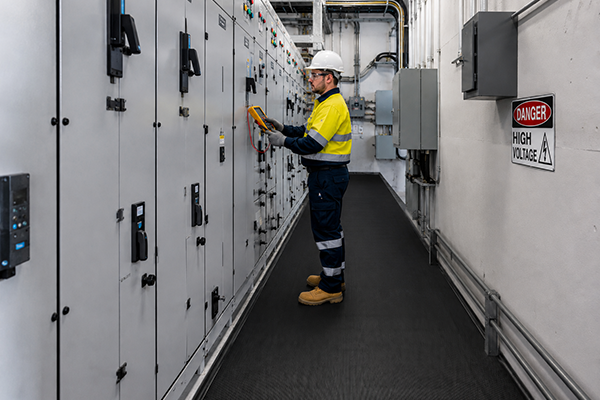
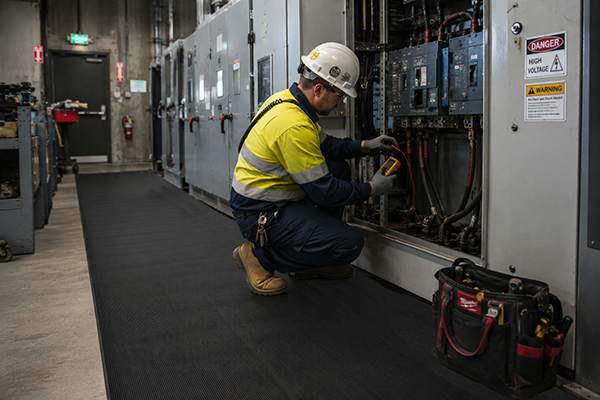
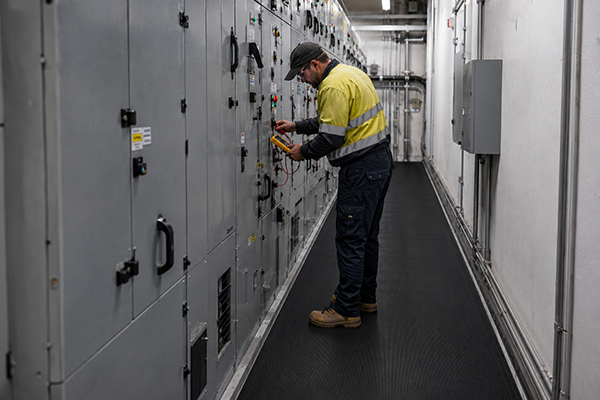
The safest electrical environments are built in layers. Training, procedures, PPE and equipment maintenance all play a role. Electrical safety matting adds another important layer by creating a designated standing area around electrical installations. This includes electrical rooms, plant rooms, substations, switchgear areas and industrial sites.
Typical users include facility managers, electrical contractors, maintenance engineers, safety professionals, utilities, mining operations, manufacturing facilities and switchgear teams.
For these teams, the right matting helps create a more controlled and professional safety environment.
The Standards Behind the Safety Story
Not all electrical insulation mats offer the same level of protection. This is why recognised standards are so important when selecting safety flooring for electrical environments. This applies to elastomer electrical insulating matting used as floor covering for the electrical protection of workers on electrical installations.
Some electrical insulation mats are tested and approved to recognised international standards, including VDE requirements. When selecting VDE insulation matting or other electrical safety flooring, always check the voltage class, standard compliance and supporting documentation to ensure the product is suitable for the application.
The safest choice is a mat that is clearly rated, tested and suitable for the electrical environment.
Choose the Mat Before the Risk Chooses You
Choosing the right electrical insulation mats starts with the risk.
Consider the voltage level, the type of equipment, the working environment and how often people will use the area. A dry switchroom may need a different solution from a mining site, substation or heavy industrial plant.
Before buying, check:
- Voltage rating
- Relevant standards
- Dielectric performance
- Mat thickness
- Surface texture
- Slip resistance
- Size and coverage
- Product markings
- Test documentation
- Suitability for the environment
The right mat should match the application, not just the available space.
Different Switchboard Mats for Different Safety Needs
A manufacturing switchroom, a mining substation and a utility control room may all require electrical insulation matting, but the risks and operating environments are rarely identical. Choosing the right solution starts with understanding the environment and the level of protection required.
Options include COBAswitch BS EN: 61111, which conforms to BS EN 61111:2009, COBAswitch Insulation Matting for high voltage areas, and COBAswitch VDE, which is VDE approved electrical switchboard matting for personal protection.
This gives facilities a choice depending on the working environment, required standard and level of electrical protection needed.
Meet COBAswitch VDE: The Switchboard Safety Specialist
When facilities need a purpose-designed solution for electrical shock protection, COBAswitch VDE provides a reliable option for switchboards, control panels and electrical installations where workers regularly operate near live equipment.
It provides an insulating standing surface for operators, engineers and maintenance teams working near electrical installations. For facilities that need reliable switchboard matting in manufacturing plants, substations, utility environments or mining operations, COBAswitch VDE offers a purpose-made solution that supports safer working.
It helps buyers move from uncertainty to a product designed specifically for electrical safety flooring.
A Safer Standing Zone, Not Just Another Mat
Electrical insulation mats do not replace training, isolation procedures or PPE. They support them.
When correctly specified and installed, electrical insulating mats help create safer standing zones around electrical equipment. They also make it easier for safety teams to show that the working environment has been properly considered.
For facility managers and industrial buyers, that means better product confidence.
For workers, it means a safer place to stand.
The Final Word Underfoot
Electrical insulation mats are more than floor covering. They are a practical safety measure for people working near live electrical equipment.
They help reduce electrical shock risk by creating a dielectric barrier between the worker and the ground. They are different from ESD mats, they must be selected according to the correct standards, and they should always be chosen for the specific working environment.
For teams looking for dependable electrical safety matting, COBAswitch VDE provides a professional solution for switchboards, control panels and electrical installations.
Continue Your Electrical Safety Journey
Understanding electrical insulation mats is the first step towards creating safer electrical environments.
For a deeper look at how insulation matting differs from static control solutions, explore our guide on ESD vs insulation mats and learn how each product supports a different aspect of workplace safety.