COBA SA provides high-performance flooring solutions designed to improve safety, durability, and workplace comfort across demanding commercial environments. From retail spaces to food production areas, the focus is on creating surfaces that support both people and performance.
Fast-paced bakery environments place constant pressure on flooring systems – yet this is often underestimated during setup or refurbishment.
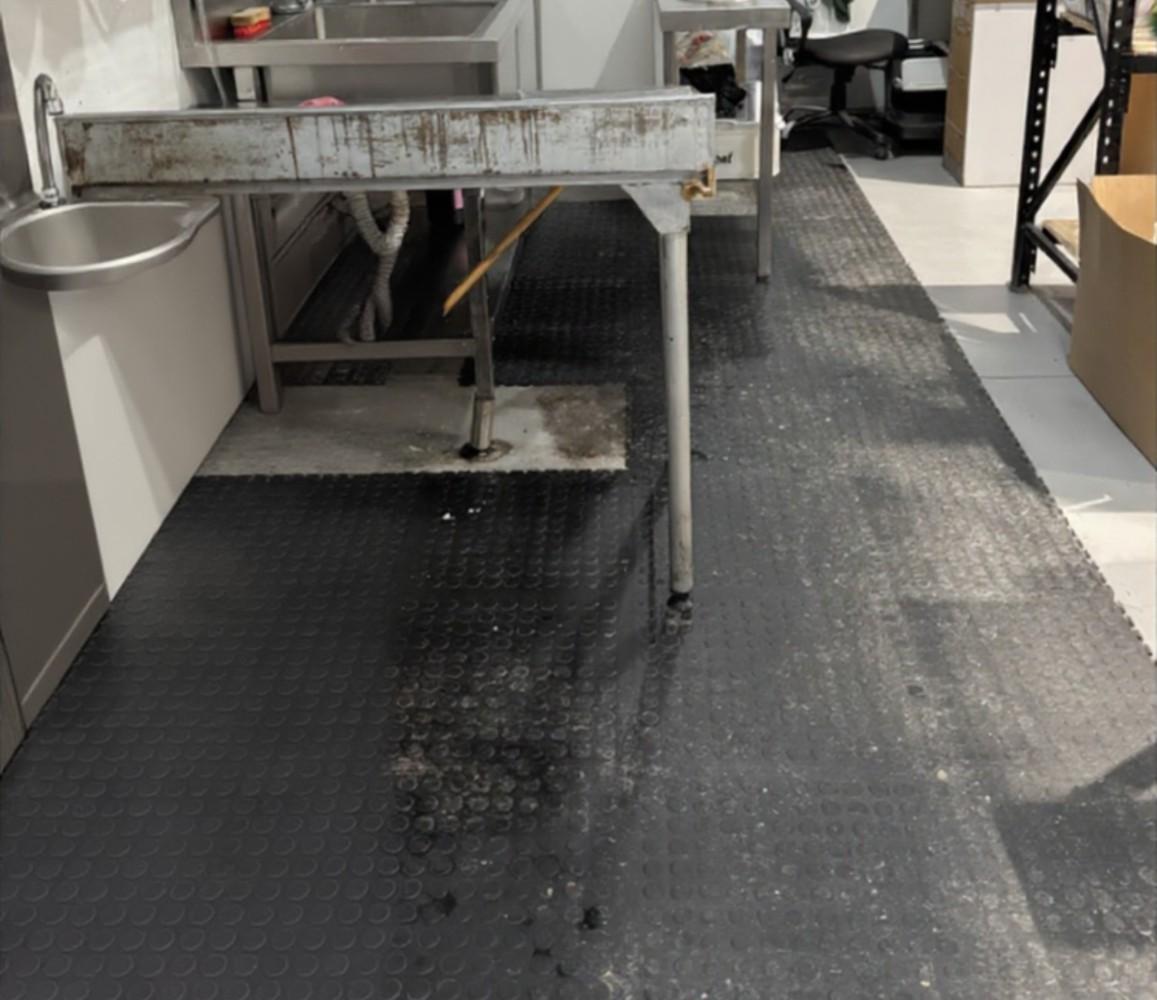
In modern retail bakeries, where production and customer-facing operations run side by side, flooring is exposed to a combination of moisture, oils, flour, and continuous foot traffic. When these conditions are not properly accounted for, issues emerge quickly – often within the first few months of operation.
At Mondvol Bakery in Cape Town – a fast-growing brand known for its high footfall and expanding presence – these pressures highlight a broader industry challenge: flooring is frequently treated as a finishing detail rather than a performance-critical component.
Why it matters
- Safety risks start at floor level
Bakery environments are inherently high-risk due to constant contamination from ingredients and cleaning processes. Without adequate slip resistance and drainage, surfaces can quickly become hazardous – increasing the likelihood of slips, particularly in busy production zones.
- Staff fatigue impacts productivity
Employees in bakeries spend extended periods standing in one position. Hard, unforgiving surfaces contribute to fatigue, discomfort, and strain over time, which can affect both wellbeing and efficiency during long shifts.
- Cleaning and maintenance costs escalate
Inadequate flooring solutions require more frequent cleaning and are often harder to maintain. This not only increases operational costs but can also disrupt workflow in already high-pressure environments.
- Flooring durability affects long-term performance
Constant foot traffic, equipment movement, and exposure to spills accelerate wear. When flooring is not designed for these conditions, it deteriorates quickly – leading to repair, replacement, and downtime costs.
Application in practice
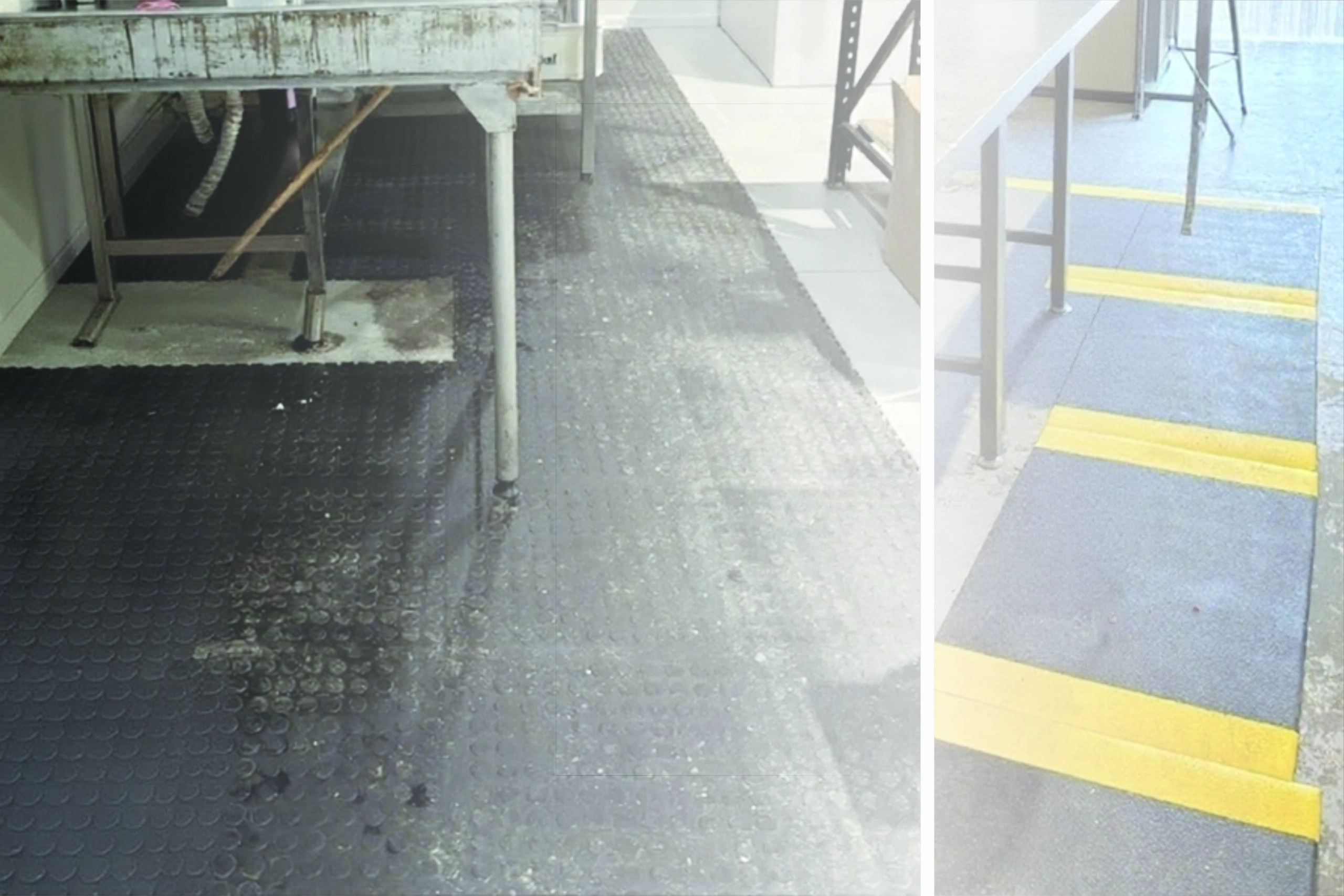
To address these challenges, a performance-led approach to flooring is required – one that considers both the environment and the people working within it.
In bakery settings, this typically involves combining:
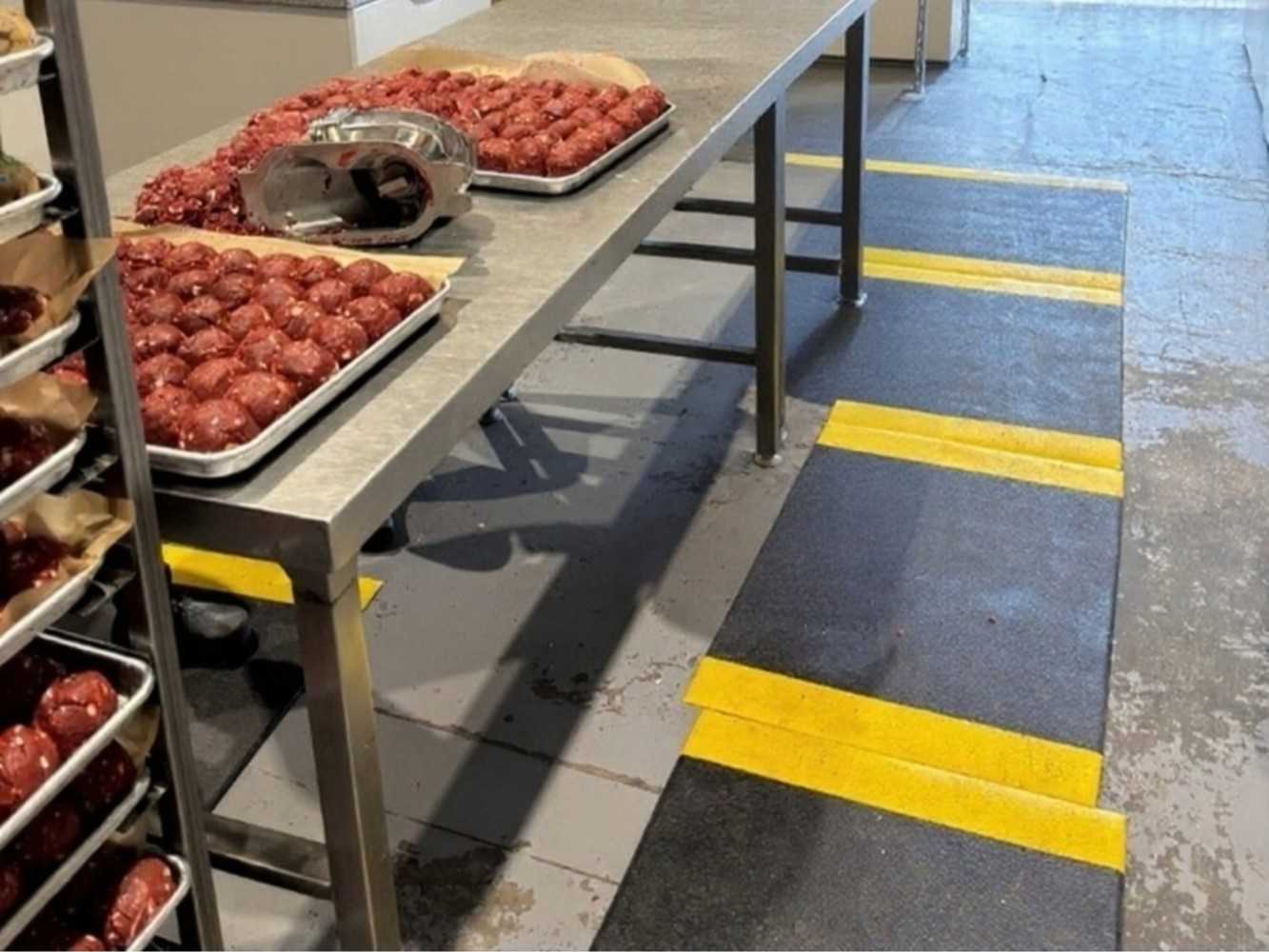
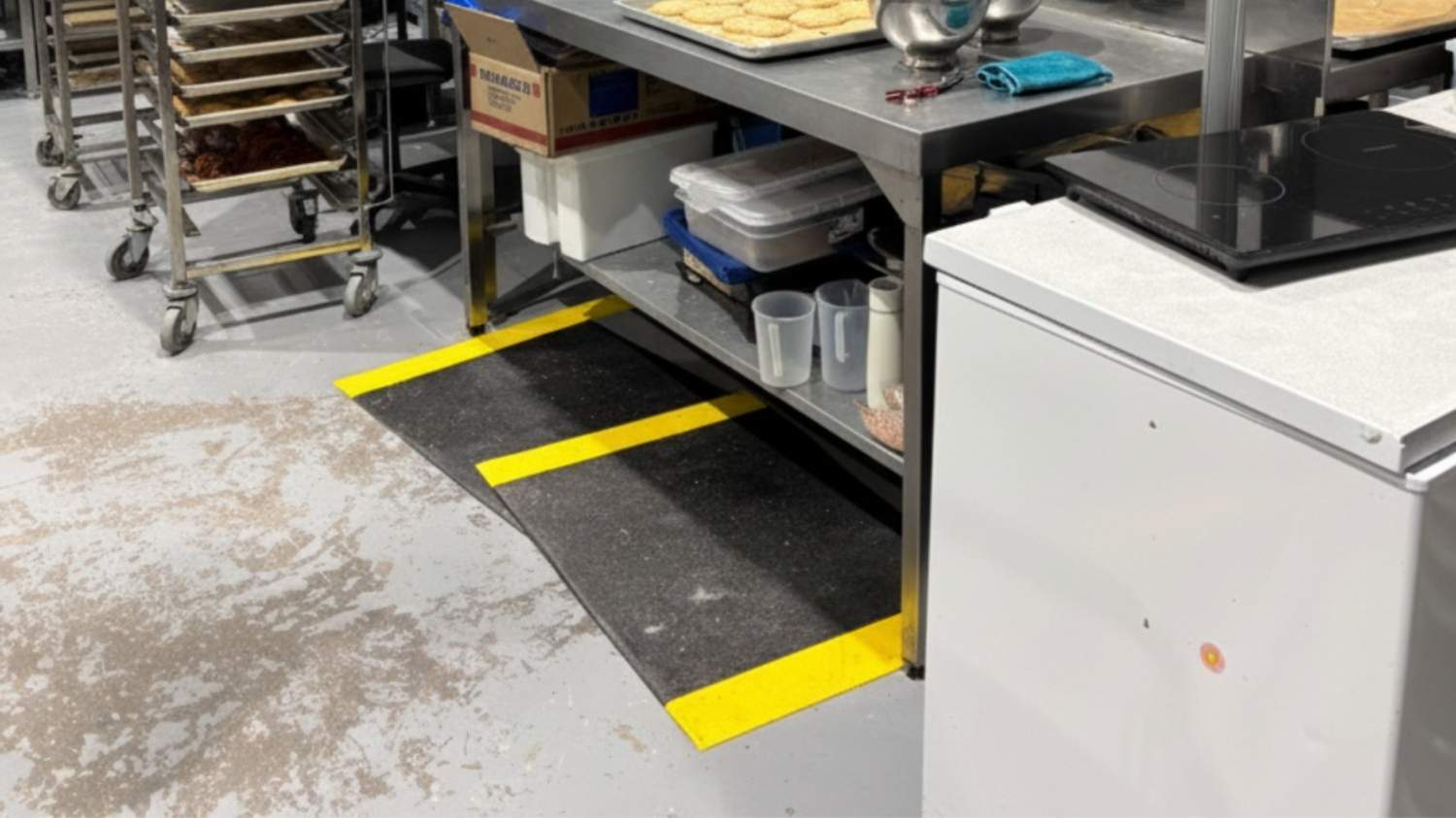
- Modular interlocking flooring systems to improve durability, grip, and ease of maintenance
- Anti-fatigue matting to provide ergonomic support and reduce strain on staff
This approach helps create a surface that not only withstands operational demands but also supports a safer and more comfortable working environment.
Design considerations
For flooring to perform effectively in bakery environments, it should be specified with the following in mind:
- Slip resistance in both wet and dry conditions
- Ease of cleaning to maintain hygiene standards
- Ergonomic support for staff working long hours
- Durability under constant use and exposure to contaminants
- Adaptability to different zones within the workspace
By treating flooring as part of the operational system – rather than a final finish – businesses can significantly improve both short-term functionality and long-term performance.
Key takeaway
Flooring in bakery and food production environments should be specified for performance, safety, and staff wellbeing — not just appearance.
Speak to our team about specifying flooring systems that improve safety, reduce fatigue, and support long-term performance in your workspace.