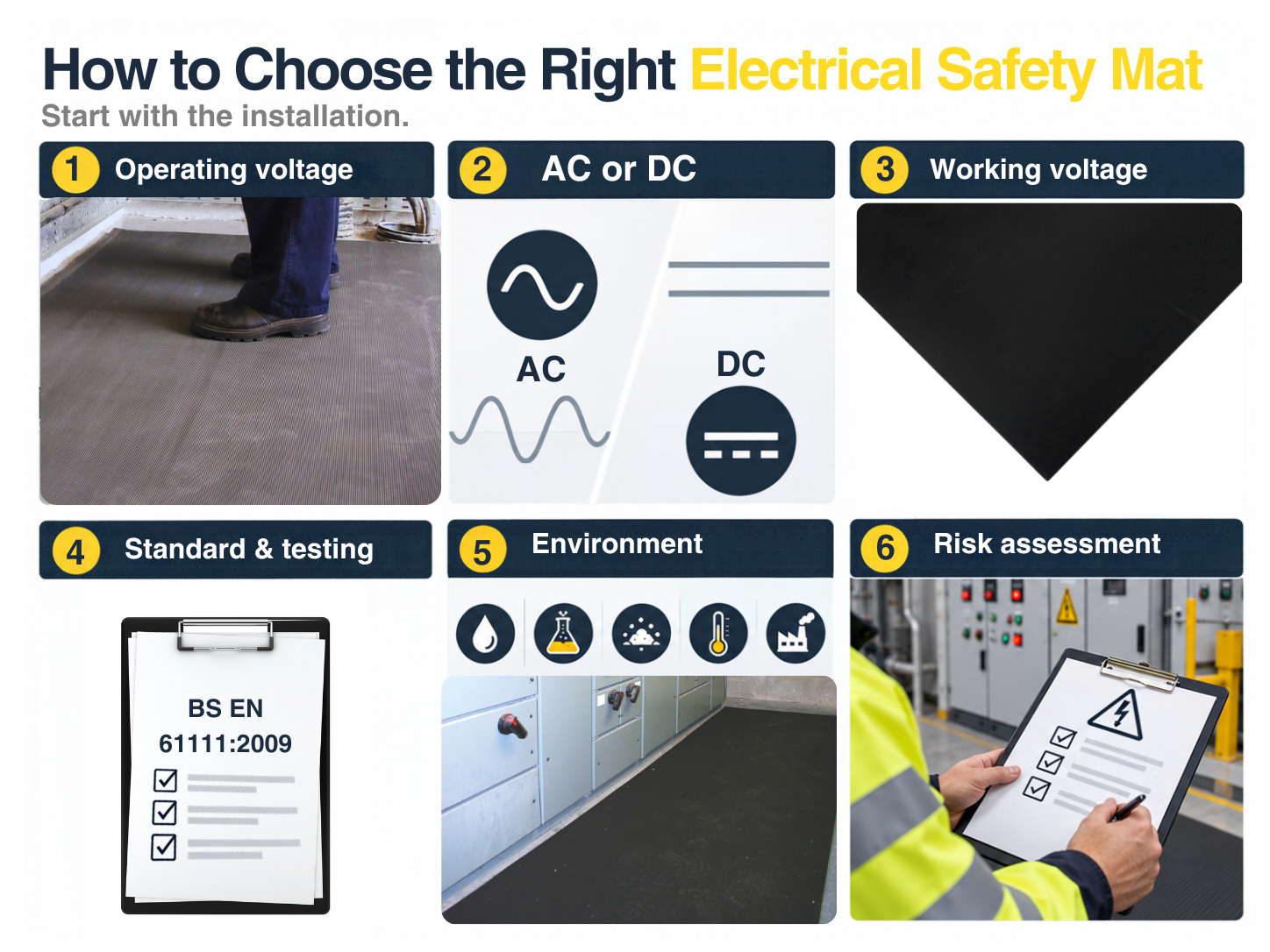
Choosing an electrical insulation mat often starts with a simple question:
What voltage does the mat actually need to protect against?
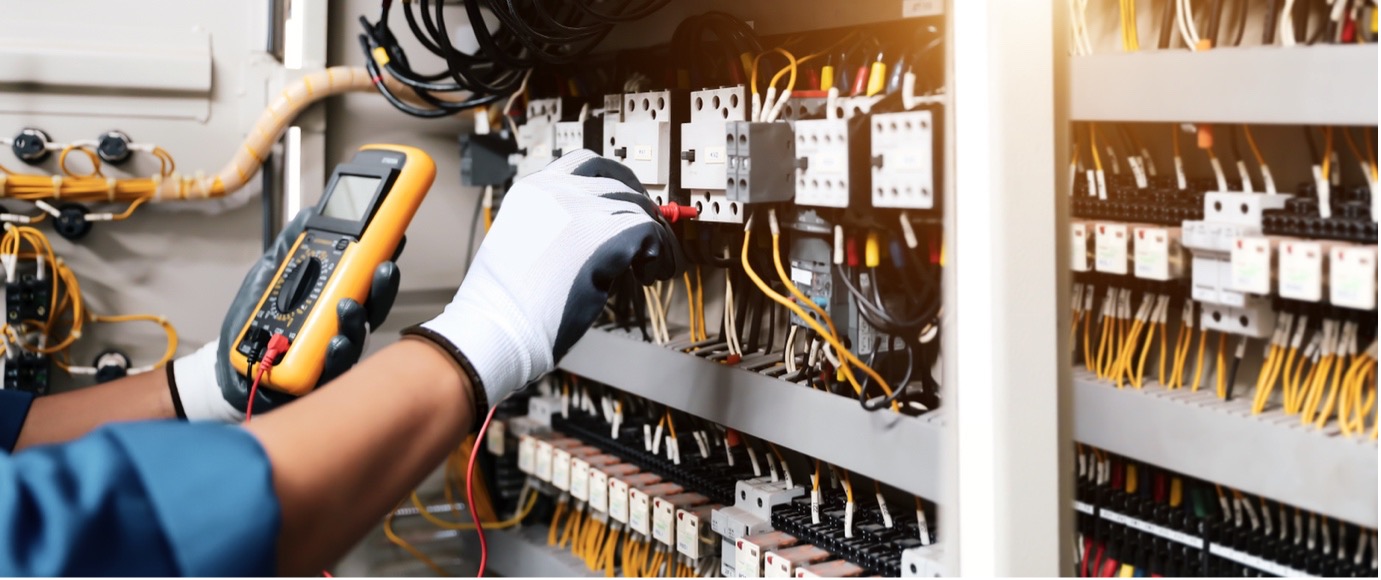
For an electrical contractor specifying protection in a switchroom, a maintenance manager responsible for machinery in a processing plant, or a safety team reviewing electrical risks on a South African mine, getting that answer right matters.
The challenge is that electrical safety matting is available in different voltage classes, from Class 0 through to Class 4. Add terms such as working voltage, test voltage and BS EN 61111, and comparing products can quickly become more complicated than expected.
The solution is to start with the electrical installation rather than the mat.
Once you know the operating voltage and understand the type of electrical system involved, the appropriate voltage class becomes much easier to determine. In most South African workplace applications this will be AC, while DC may be encountered in systems such as solar PV and battery installations.
What Are Electrical Safety Mat Voltage Classes?
Electrical insulating mats create an insulating barrier between a worker and the surface they are standing on when working around electrical equipment.
Electrical insulating matting is classified according to its electrical performance and maximum use voltage. Products such as COBA’s COBAswitch range are available in different classes to suit different electrical applications.
Put simply:
The higher the class, the higher the maximum voltage for which the mat is classified.
This makes voltage classification an important starting point when selecting electrical safety matting for switchboards, control panels, switchrooms and other electrical installations.
If you are new to electrical insulation matting, read our What Are Electrical Insulation Mats? Complete Guide to Electrical Safety Matting first for an overview of how this type of matting works and where it is used.
Electrical Insulation Mat Classes Explained
| Class | Maximum AC Use Voltage | Maximum DC Use Voltage |
| Class 0 | 1,000 V | 1,500 V |
| Class 1 | 7,500 V | 11,250 V |
| Class 2 | 17,000 V | 25,500 V |
| Class 3 | 26,500 V | 39,750 V |
| Class 4 | 36,000 V | 54,000 V |
These ratings provide a clear way to compare electrical insulation mat classes, but voltage class should never be considered in isolation.
The correct choice also needs to reflect the electrical risk assessment, the equipment being worked around, whether the system is AC or DC, the working environment and any applicable site or regulatory requirements.
What Do the Different Electrical Mat Classes Mean?
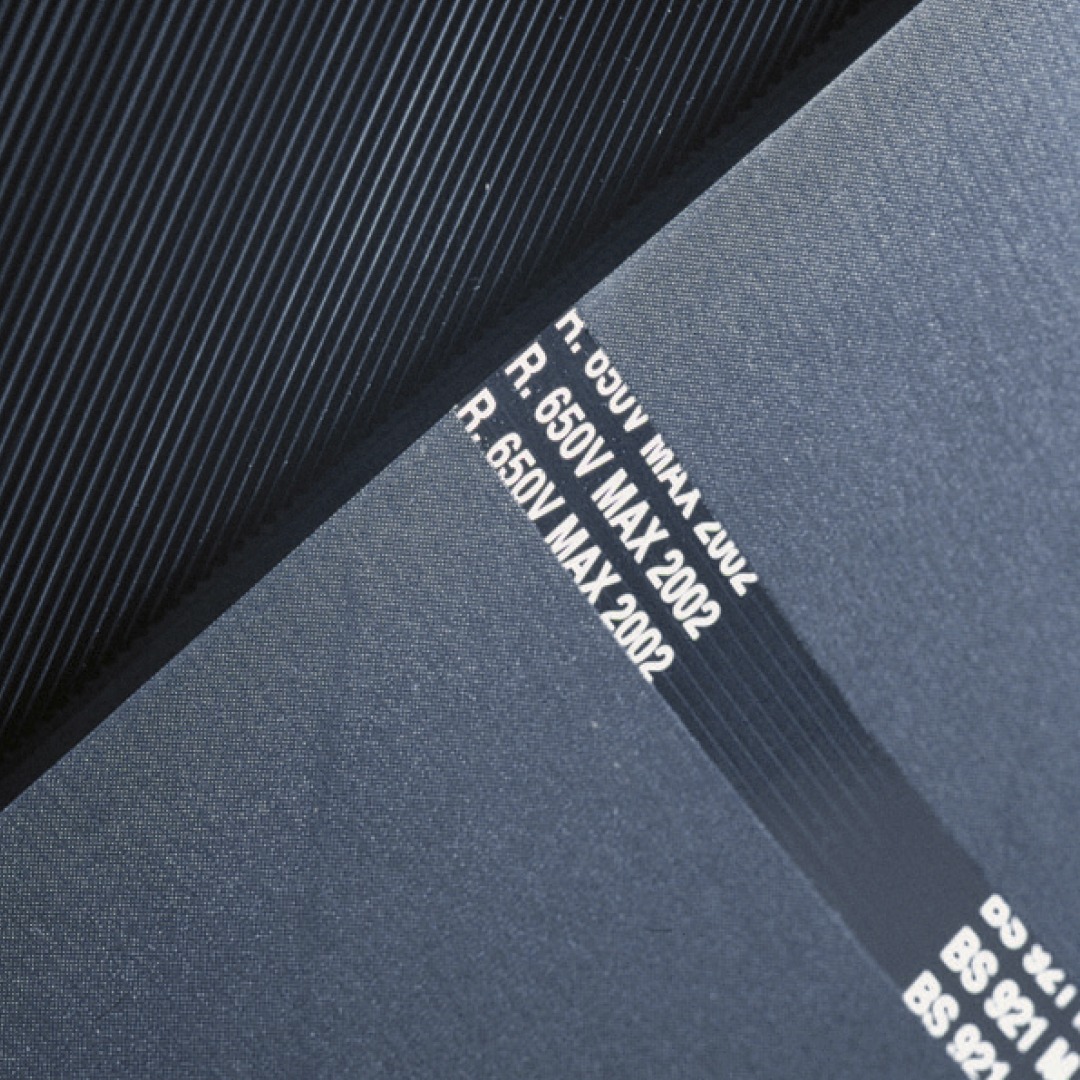
Class 0 Insulation Mat
Class 0 has a maximum use voltage of 1,000 V AC and 1,500 V DC.
It is intended for applications where the electrical risk assessment identifies that this voltage classification is appropriate.
For example, a facility manager reviewing protection around electrical equipment should not simply choose the thickest available rubber mat. The operating voltage first needs to be established so that an appropriately classified product can be specified.
Class 1 Electrical Mat
Class 1 increases the maximum use voltage to 7,500 V AC and 11,250 V DC.
It sits between Class 0 and the higher classifications intended for more demanding electrical environments.
Class 2 Insulation Mat
Class 2 is rated for maximum use voltages of 17,000 V AC and 25,500 V DC.
This level of electrical insulation may be relevant in more demanding industrial and electrical environments.
COBA's COBAswitch BS EN 61111 Electrical Safety Matting is available in a Class 2 version with a working voltage of 17 kV.
Class 3 Electrical Mat
Class 3 has a maximum use voltage of 26,500 V AC and 39,750 V DC.
At these voltage levels, insulating matting should be treated as one component within a wider electrical safety system that may include appropriate PPE, safe working procedures, training, isolation procedures and risk assessments.
Class 4 Insulation Mat
Class 4 is rated for maximum use voltages of 36,000 V AC and 54,000 V DC.
COBA's COBAswitch BS EN 61111 range includes a Class 4 option with a working voltage of 36 kV for applications requiring this level of insulation.
Working Voltage vs Test Voltage
One of the most important things to understand when comparing dielectric mat voltage ratings is the difference between working voltage and test voltage.
They are not interchangeable.
An electrical insulation mat may be subjected to a much higher voltage during testing than the voltage it is classified to withstand during normal use.
For example, COBA's COBAswitch BS EN 61111 range includes:
| Class | Working Voltage | Withstand Test |
| Class 0 | 1 kV | 10 kV |
| Class 2 | 17 kV | 30 kV |
| Class 4 | 36 kV | 50 kV |
Consider a maintenance team comparing mats for an electrical installation.
They see that a Class 0 mat has been withstand tested to 10 kV. It may be tempting to assume that the mat can therefore be used on a 10 kV system.
It cannot.
Its stated working voltage is 1 kV.
The higher withstand test demonstrates the mat's electrical performance under specified test conditions. It does not increase the voltage at which the mat is classified for normal use.
When specifying electrical safety matting, the working or maximum use voltage is the figure that should be compared with the electrical application.
This distinction helps prevent one of the most important specification mistakes when selecting electrical insulating matting.
Why Voltage Class Matters in South African Workplaces
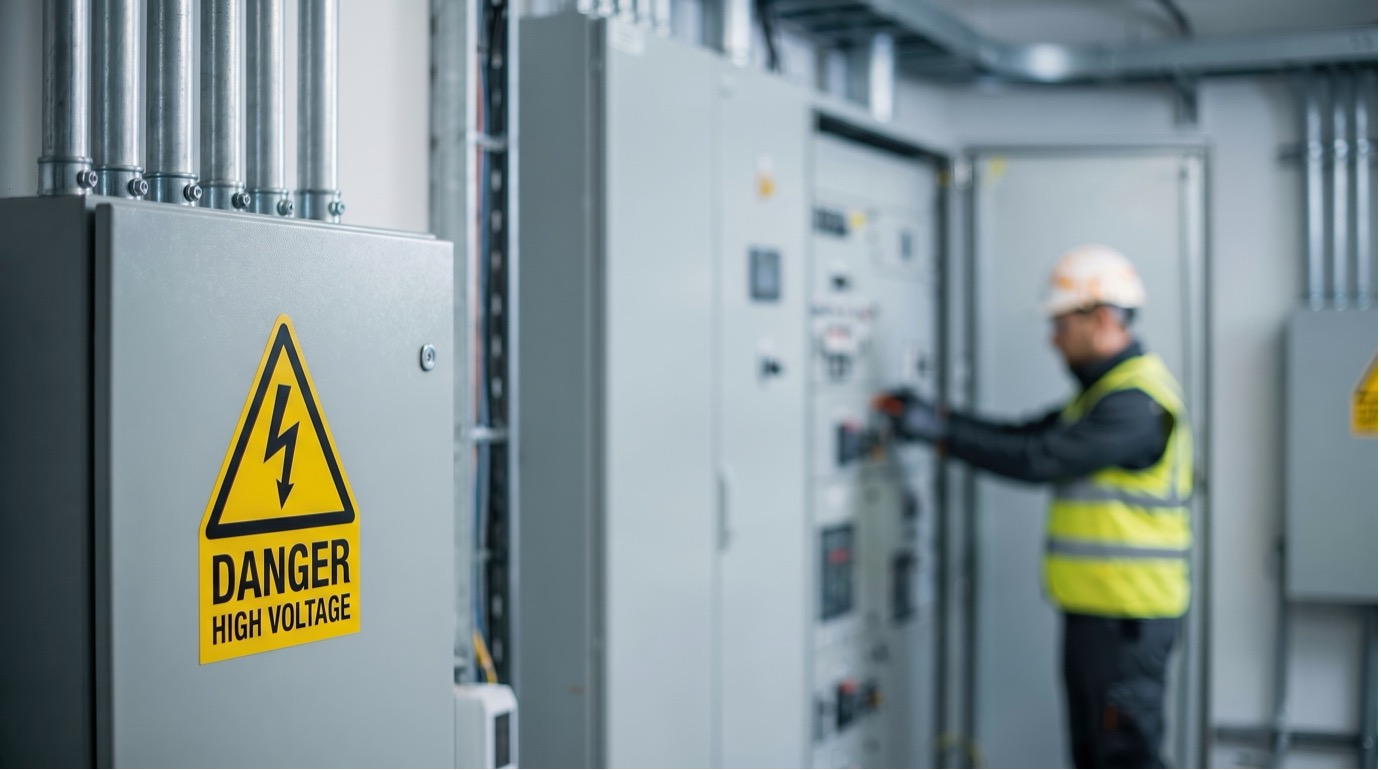
Electrical infrastructure is found across almost every major South African industry, but the conditions around that infrastructure can vary considerably.
A switchroom at a manufacturing facility may have very different operating conditions from electrical equipment serving pumps and conveyors on a mine.
Likewise, utilities, processing plants, workshops and heavy industrial facilities may all have different voltage levels, equipment configurations and site safety requirements.
In mining environments in particular, electrical systems can support equipment such as crushers, conveyors, pumps and processing machinery. Electrical safety matting may therefore form part of the controls used around switchboards and electrical infrastructure, provided it is correctly specified for the voltage and application.
The important point is that there is no single electrical mat that should automatically be used everywhere.
The electrical risk comes first. The mat specification follows.

What Does BS EN 61111 Mean?
BS EN 61111 is a standard for electrical insulating matting intended to provide electrical protection for workers around electrical installations.
COBA's COBAswitch BS EN 61111 Electrical Safety Matting is specified as conforming to BS EN 61111:2009, with Class 0, Class 2 and Class 4 options.
IEC 61111 is the corresponding international standard for electrical insulating matting. As standards can be revised over time, buyers should always check the specific standard and edition stated for the product being specified rather than assuming that all electrical insulating matting is certified to the same edition.
For South African applications, BS EN 61111 should not be treated as a blanket local regulatory requirement. The appropriate product and compliance requirements should still be determined according to the site’s electrical risk assessment, applicable South African requirements and advice from suitably qualified electrical safety professionals.
Checking a product's actual standard, electrical class and supporting test information gives buyers much greater confidence than relying on a product simply being described as a "rubber mat" suitable for electrical areas.
Does a Thicker Mat Mean Better Electrical Protection?
Not necessarily.
This is another easy assumption to make when comparing electrical mats.
Two pieces of rubber matting may look similar and one may even be thicker than the other, but that does not mean it provides a higher level of electrical protection.
Electrical protection should be based on the mat's tested electrical classification and specified working voltage.
Always check:
- Electrical class
- Maximum use or working voltage
- Applicable product standard
- Test information
- Suitability for the application and environment
Ordinary rubber matting should never be assumed to provide appropriate electrical insulation simply because it is made from rubber or appears thick enough.