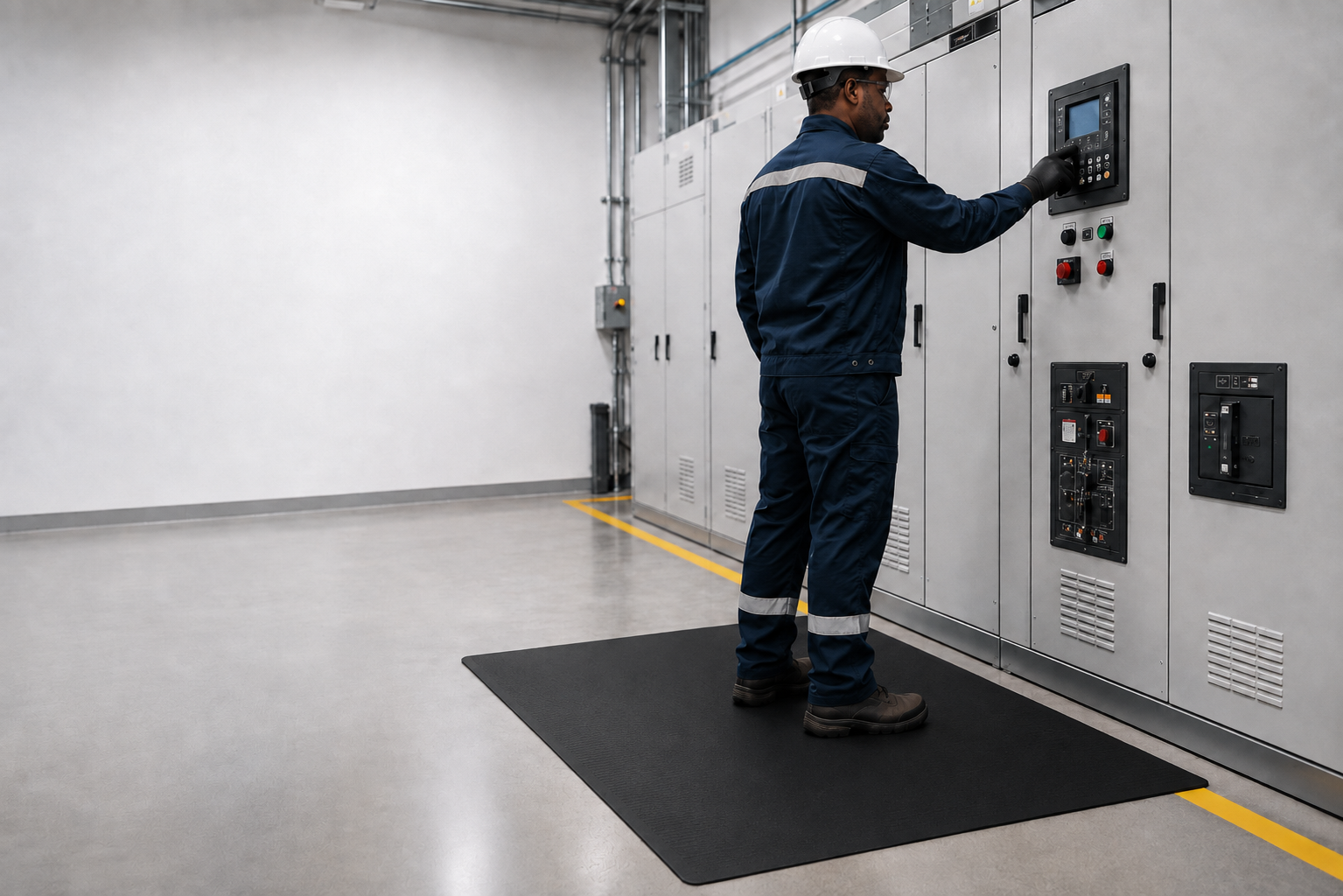
A switchroom, factory floor and data centre may look very different. But they can share the same electrical safety question: where is the operator standing when they interact with potentially live equipment?
Electrical insulation mats are used in working areas where employees operate, inspect or maintain electrical equipment and additional protection from electric shock may be required.
Positioned between the worker and the floor, suitable electrical insulation matting provides an electrically resistant standing surface. It can therefore form an important additional layer of protection around switchboards, control panels, switchgear and other electrical equipment.
But simply having electrical equipment in a room does not automatically mean any insulation mat will do. The location, working voltage, equipment, environment and findings of the electrical risk assessment all matter.
The Floor Should Not Complete the Circuit
Electrical faults can occur during normal operation, maintenance or unexpected equipment failure.
If a person is standing on a conductive surface during an electrical fault, the ground can form part of a path for electrical current. Electrical insulation matting helps interrupt that path by providing an electrically resistant standing surface.
It does not replace safe working procedures, PPE, training or equipment maintenance. Instead, it contributes to a layered electrical safety strategy.
Where Are Electrical Insulation Mats Used?
Electrical Switchrooms
Electrical switchrooms contain switchboards, distribution panels and other equipment used to control and distribute power throughout a facility.
Switchboard matting is commonly positioned in front of equipment where authorised personnel stand while carrying out switching, inspection or maintenance tasks.
The purpose is not simply to cover the floor. It is to provide an appropriately specified electrically resistant standing area at the point where the operator interacts with the equipment.
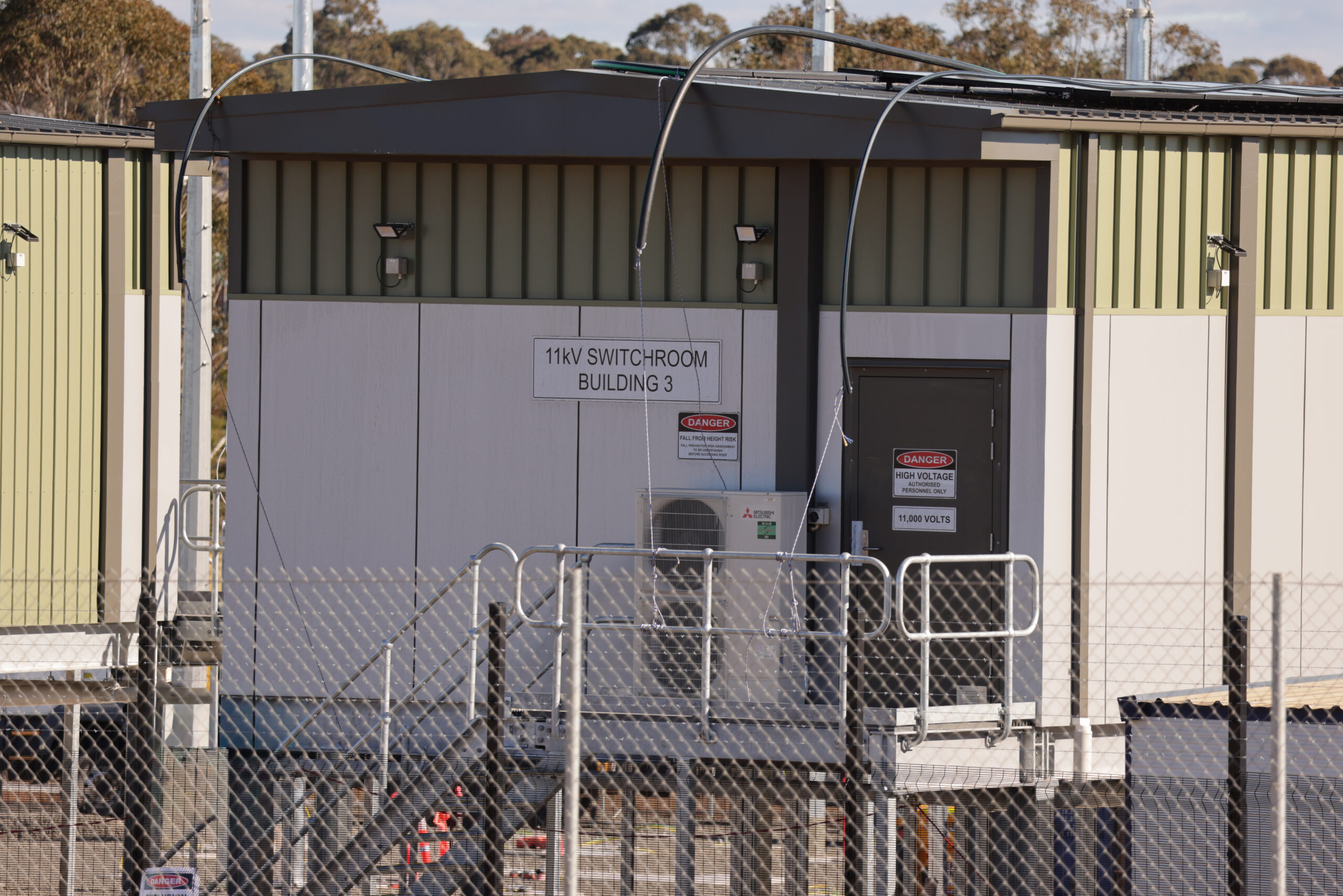
Substations and Power Facilities
Substations and power facilities often place operators close to switchgear, transformers and control equipment operating at significant voltages. Electrical matting for substations may be installed around switchgear, transformers, control equipment and maintenance areas where operators could be exposed to electrical hazards.
The correct matting class must be selected according to the working voltage and applicable electrical safety requirements.
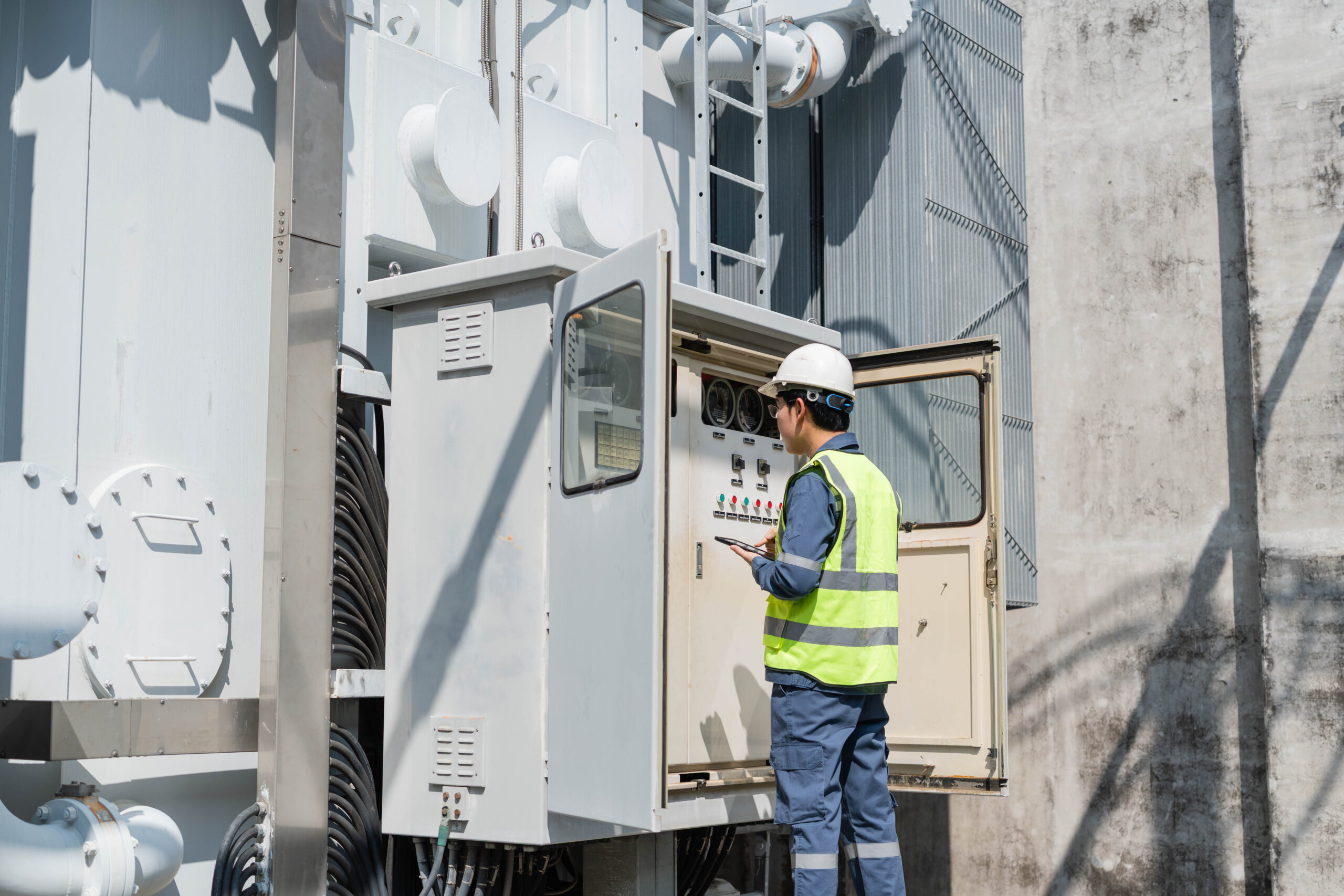
Manufacturing and Industrial Facilities
Manufacturing and industrial facilities rely on motor control centres, switchgear, electrical panels, machinery and automated systems, often with operators or maintenance teams working directly alongside them. Electrical insulation mats may be placed at:
- Machine control panels
- Motor control centres
- Electrical maintenance stations
- Distribution boards
- Industrial switchgear
This gives operators and maintenance teams an additional insulating surface when working near electrical equipment.
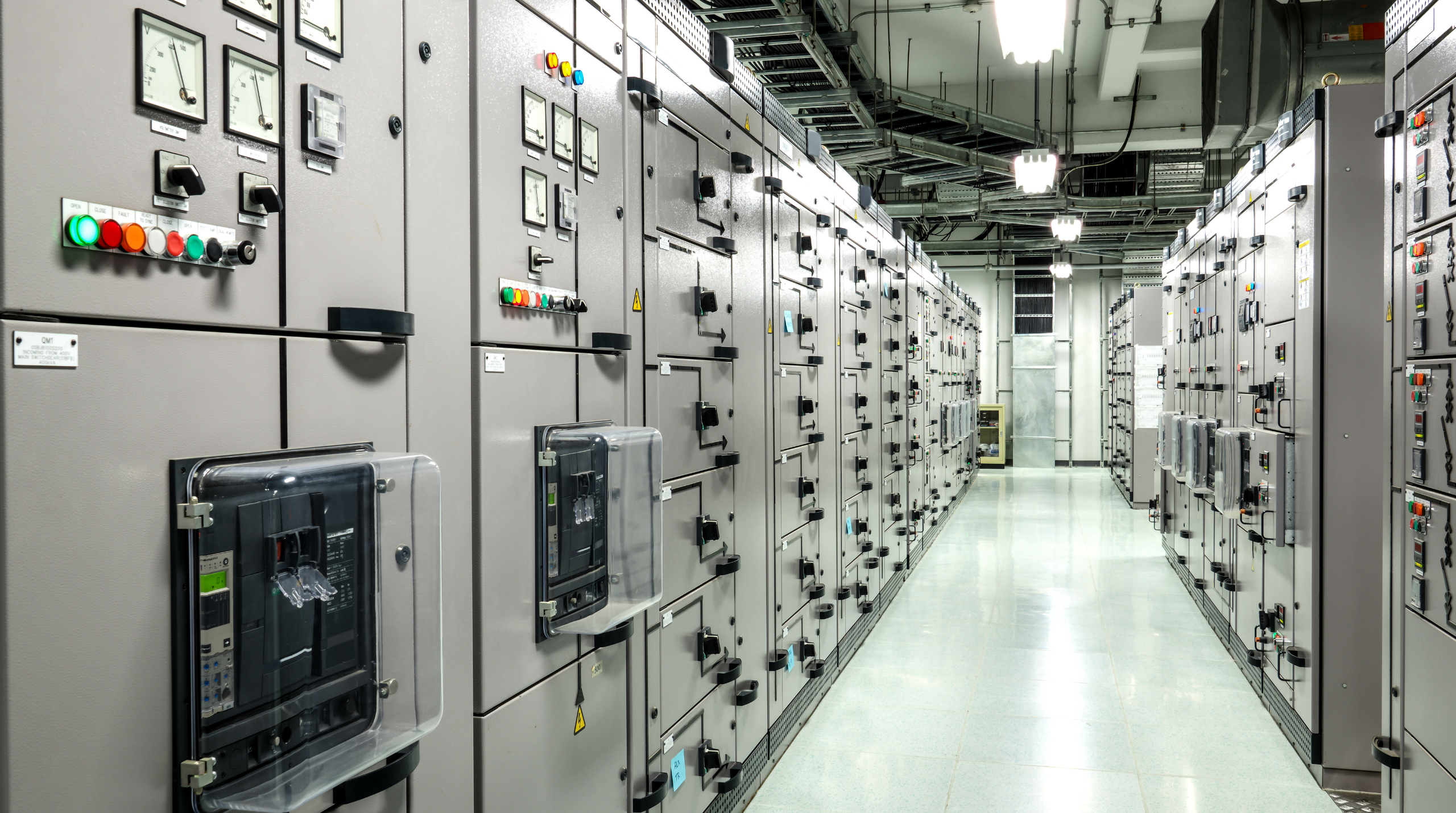
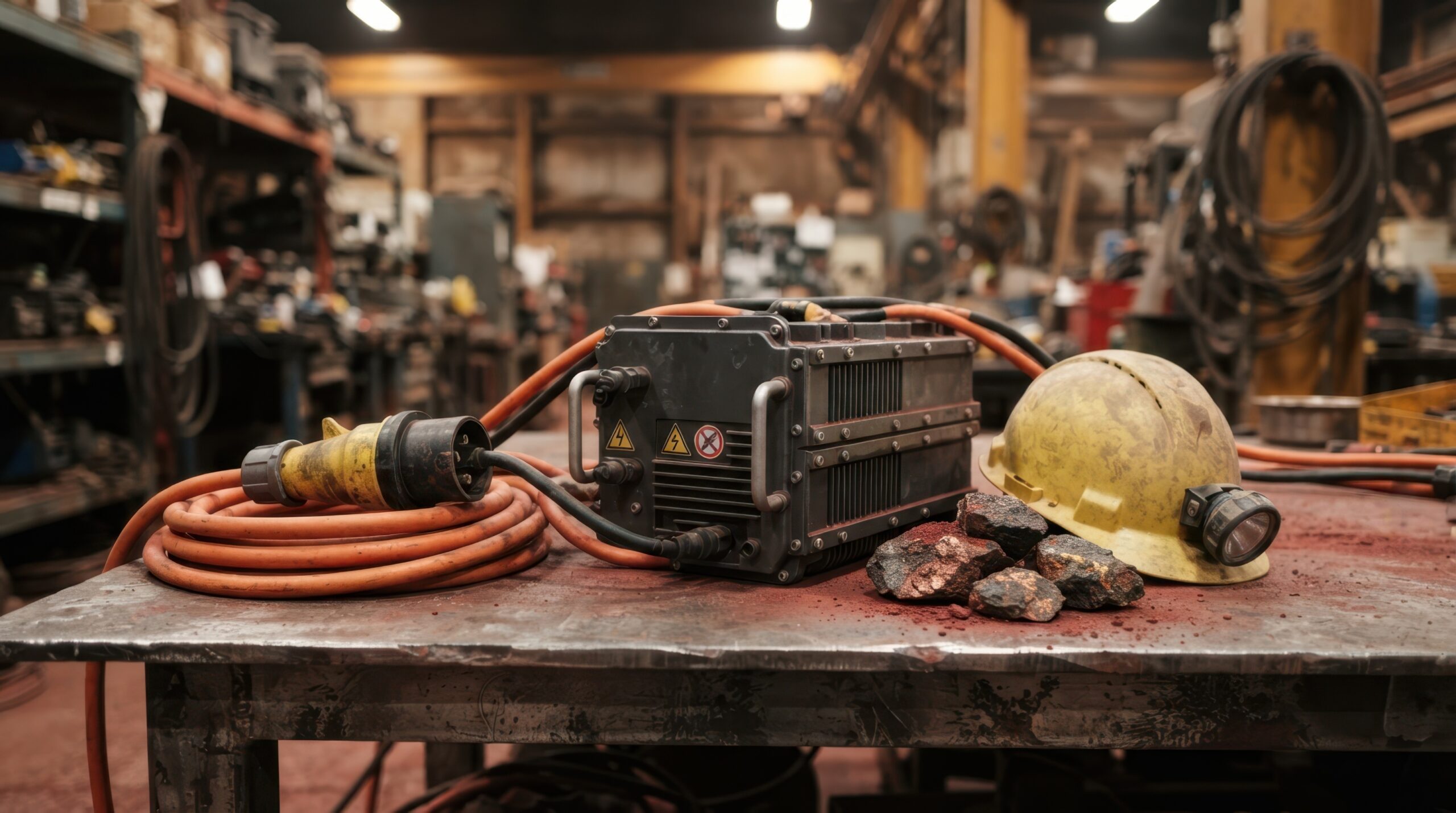
Mining Operations
Mining environments use extensive electrical infrastructure to power processing machinery, ventilation equipment, pumps, conveyors and underground systems.
Electrical insulation and high-voltage safety matting may form part of the protection strategy in mining switchrooms, substations, control areas and electrical maintenance workshops. Matting selected for mining operations should be appropriate for the voltage, environment and conditions in which it will be used. Dust, moisture, oils, heavy industrial activity and site-specific electrical risks should all be considered during specification.
Utilities and Energy Operations
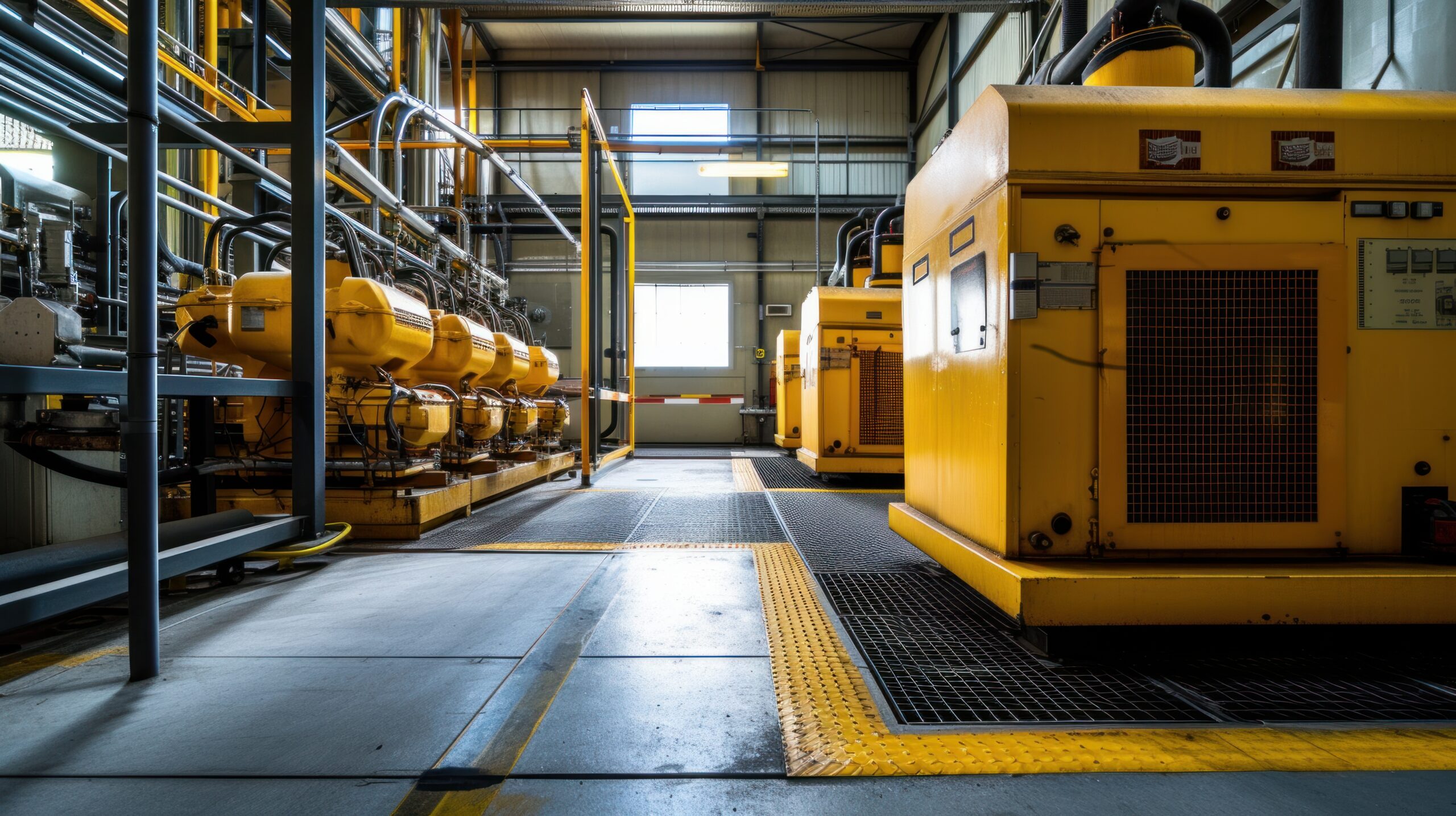
Utilities and energy operators often manage electrical infrastructure in environments where switching, monitoring or maintenance work takes place close to potentially live equipment.
Dielectric matting applications can include:
- Power distribution facilities
- Pump control stations
- Generator rooms
- Renewable energy installations
- Battery storage systems
- Utility maintenance areas
For example, electrical insulation matting may be used in battery containers where employees operate equipment near open switchboards or high-voltage components.
Data Centres
Data centres contain significant electrical infrastructure, including distribution boards, UPS systems, backup generators and battery rooms.
Electrical insulation mats may be appropriate in electrical or plant areas where authorised personnel operate or maintain this equipment.
This should not be confused with ESD matting used to protect sensitive electronic components from electrostatic discharge. Electrical insulation matting and ESD matting perform different safety functions.

Commercial and Building Plant Rooms
Electrical risk is not limited to heavy industry.
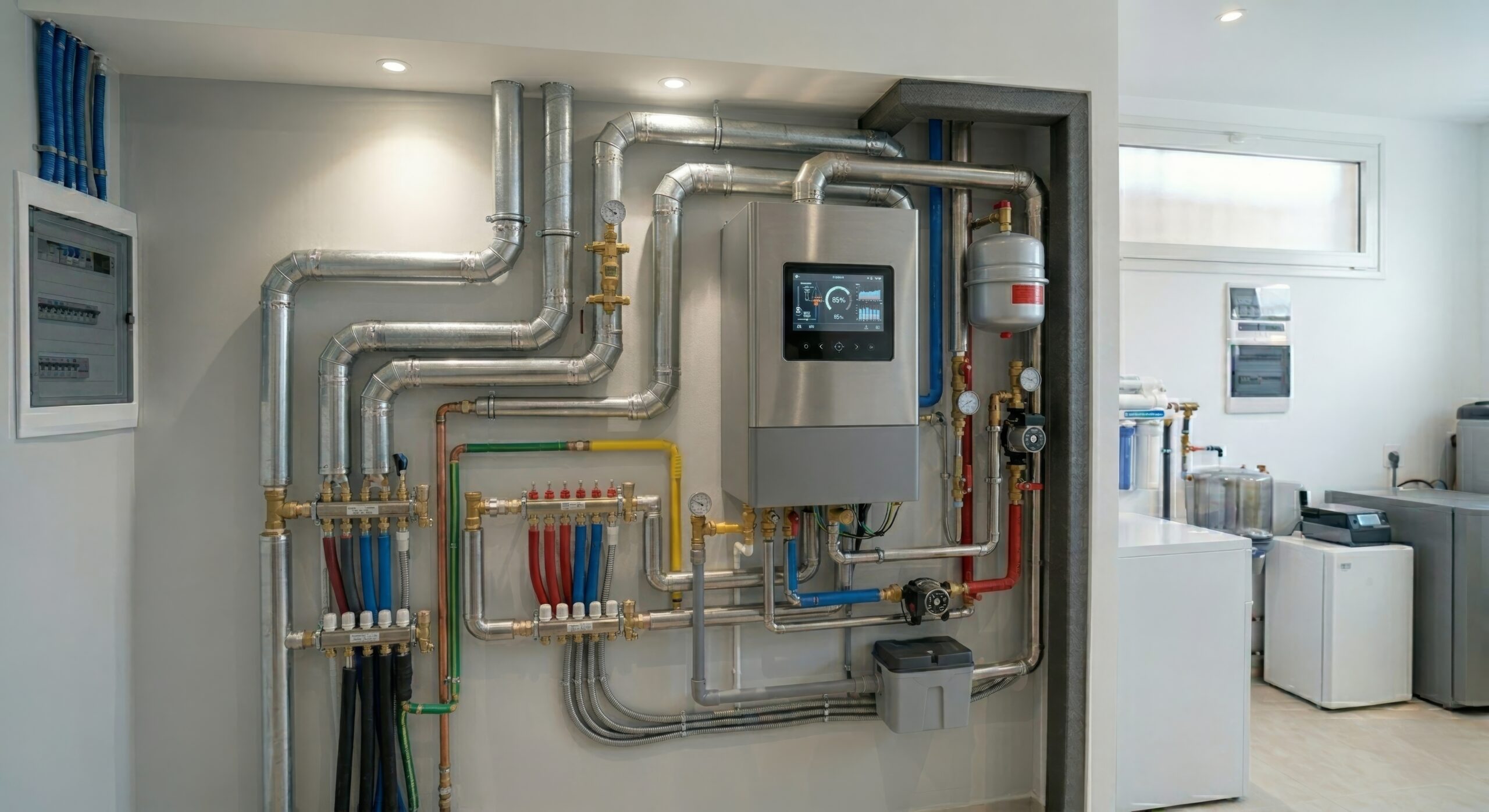
Office buildings, shopping centres, hospitals, hotels and residential developments often contain plant rooms with distribution panels, generators, HVAC controls and switchgear.
Where an electrical risk assessment identifies a need for additional floor-level protection, appropriately specified electrical switchboard matting can provide an electrically resistant standing area for authorised personnel.
Maintenance Workshops
Electrical contractors and maintenance teams may test, repair or inspect electrical equipment in dedicated workshops.
Where authorised personnel may be exposed to potentially live systems, appropriate electrical insulation matting can form one part of a more controlled electrical safety environment.

A Simple Question: Where Does the Operator Stand?
Instead of starting with the product, start with the working position.
Look for areas where an employee:
- routinely stands while operating switchgear or electrical controls
- carries out switching, inspection, testing or maintenance
- could potentially be exposed to live electrical equipment
- is standing on a surface that may provide a path to earth
If those conditions exist, the area should form part of the site’s electrical risk assessment.
Where electrical insulation matting is appropriate, the next question is not simply “Do we need a mat?” but “What level of electrical protection does this application require?”
That decision should take account of the operating voltage, mat classification, applicable standards and the conditions in which the mat will be used.
When Should Electrical Safety Matting Be Considered?
Electrical safety matting should be considered as part of the wider risk-control strategy where:
- Employees stand in front of live electrical equipment
- Switching or maintenance work is regularly performed
- The floor could provide a path to earth
- High-voltage equipment is present
- A risk assessment identifies potential electric shock exposure
- Existing safety procedures require additional floor-level protection
The final decision should be based on a formal risk assessment, the equipment’s operating voltage and the relevant electrical safety standards.
ESD Mats and Insulation Mats Are Not Interchangeable
Although they may look similar, ESD mats and electrical insulation mats are designed for different risks.
ESD matting is used to control electrostatic discharge and protect sensitive electronic components.
Electrical insulation matting provides an electrically resistant surface intended to help protect people working near potentially live equipment.
They are therefore not interchangeable. For a more detailed comparison, read our guide to ESD mats vs electrical insulation mats.
Not Every Electrical Mat Offers the Same Protection
Two electrical mats can look similar while offering very different levels of electrical protection.
Selection should consider:
- The equipment’s working voltage
- The mat’s tested withstand voltage
- Applicable standards
- Indoor or outdoor conditions
- Exposure to oils, chemicals or moisture
- Surface grip
- Inspection and replacement requirements
For example, the COBAswitch BS EN 61111 electrical insulation matting range is available in different classes for different maximum working voltages. The correct class should always be matched to the application and relevant electrical safety requirements.
The Right Mat Starts with the Electrical Risk
Electrical insulation mats can be used in switchrooms, substations, factories, mines, data centres, utility facilities, maintenance workshops and commercial plant rooms.
What links those environments is not the industry. It is the electrical risk at the point where a person interacts with the equipment.
Correctly specified matting helps provide an electrically resistant standing surface as part of a wider electrical safety strategy. The right solution depends on the working voltage, equipment, environment and risk assessment - which is why specification matters as much as location.