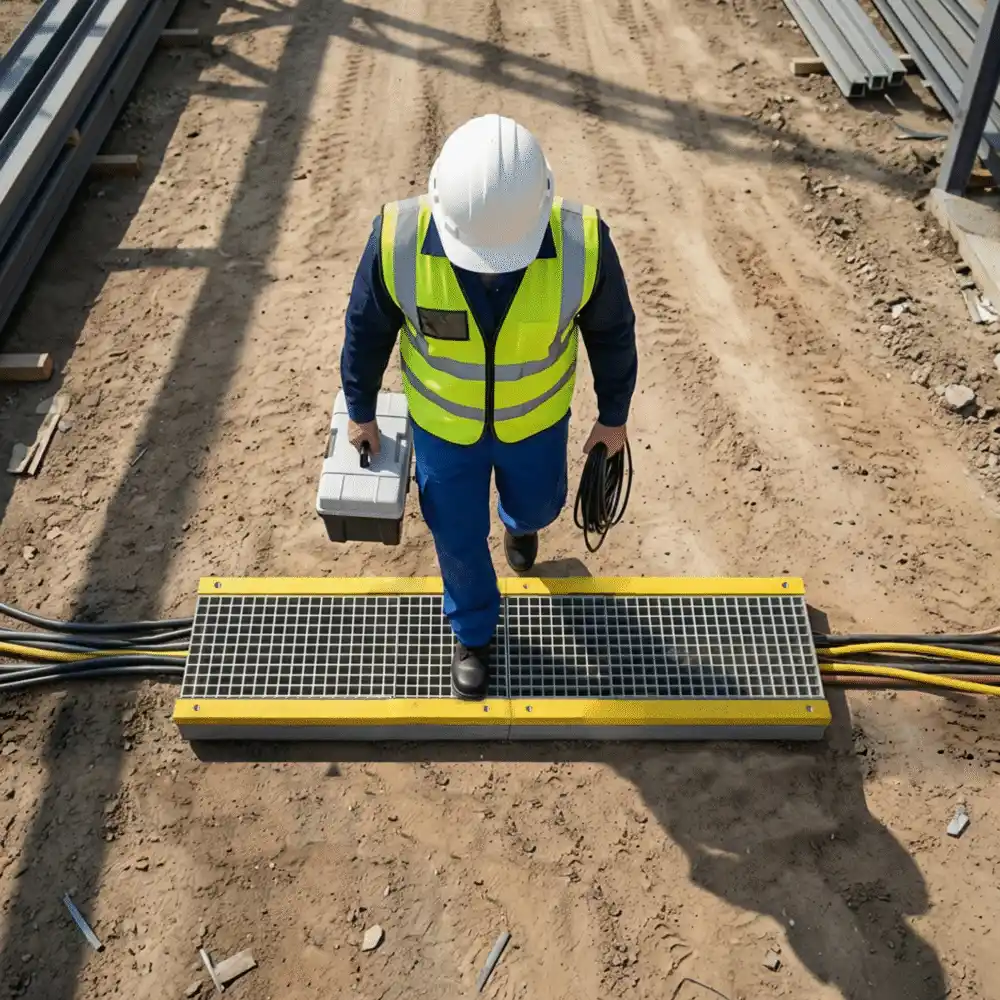
Water Has a Way of Finding the Weak Spots
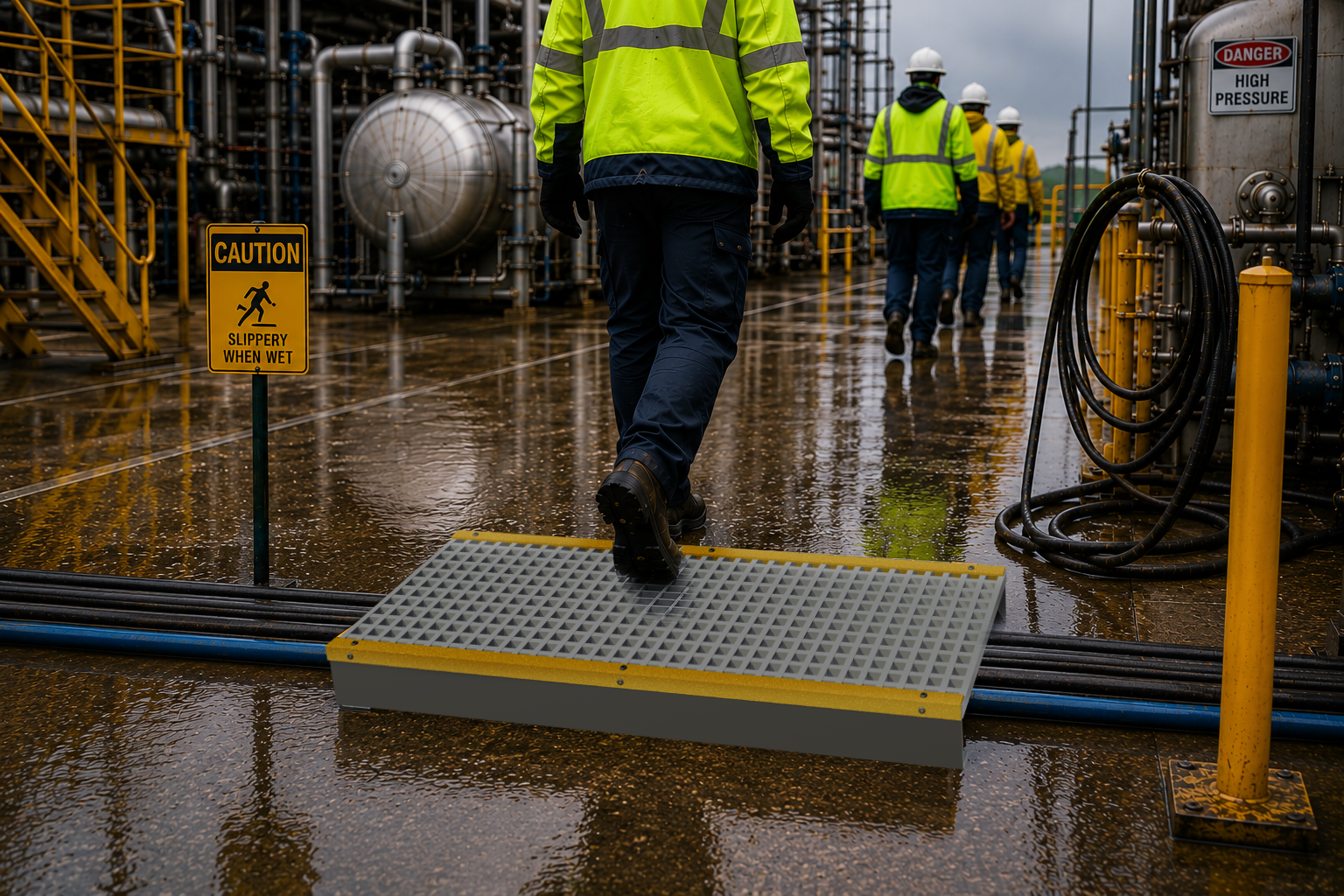 Water Has a Way of Finding the Weak Spots
Most workplace slip incidents don't happen because people ignore safety.
They happen because conditions change.
A routine task becomes more difficult after rainfall.
Condensation forms on walkways.
Cleaning operations leave surfaces damp.
A maintenance hose creates an unexpected hazard.
Before long, a familiar route becomes significantly less predictable.
Improving safety in wet and slippery work areas starts with understanding how quickly conditions can change.
Why Wet Work Areas Create More Than Safety Risks
When surfaces become wet, organisations often focus on the immediate risk of slips and falls.
The reality is that the impact can extend much further.
Wet and slippery work areas can contribute to:
- Reduced productivity
- Restricted movement
- Delayed maintenance activities
- Increased workplace risk
- Operational disruption
- Reduced workforce confidence
The challenge is not simply preventing slips.
It's maintaining safe movement when conditions deteriorate.
The Most Common Causes of Slippery Work Areas
Many workplace slip hazards develop gradually.
Common contributors include:
Rainwater Ingress
Outdoor access routes and entrances frequently become slippery during wet weather.
Cleaning Activities
Routine cleaning often introduces temporary slip hazards.
Maintenance Operations
Hoses, cables and temporary equipment can create additional risks.
Condensation
Industrial environments can generate moisture that accumulates on surfaces over time.
Understanding these causes helps organisations take a more proactive approach to risk management.
Safe Access Shouldn't Depend on the Weather
Weather conditions are often outside your control.
Access routes are not.
Creating safer access pathways allows organisations to maintain operational continuity even when conditions become challenging.
Effective approaches include:
- Improving route visibility
- Reducing trip hazards
- Creating designated crossing points
- Providing safer access routes over obstacles
- Supporting confident pedestrian movement

Why Temporary Hazards Become Bigger Problems in Wet Conditions
A cable across a dry walkway is a trip hazard.
The same cable in a wet environment can become significantly more dangerous.
Wet conditions often reduce visibility, affect footing and increase the consequences of a simple mistake.
This is why many organisations focus on maintaining safer access routes rather than relying solely on warning signage.
Because the safest route is often the easiest route.
Creating Safer Movement Across Wet Work Areas
The most effective slip prevention strategies focus on helping people move safely through the environment.
Key considerations include:
Route Planning
Identify areas where workers regularly travel.
Hazard Management
Reduce unnecessary obstacles wherever possible.
Safe Crossing Points
Provide clear routes over unavoidable hazards.
Access Consistency
Ensure safe pathways remain available throughout operations.
Small improvements to access often deliver significant safety benefits.
Better Access Supports Better Safety
The goal is not simply to react when conditions become slippery.
The goal is to create environments where people can continue moving safely regardless of conditions. By improving access, reducing hazards and supporting safe pedestrian movement, organisations can help reduce risk while maintaining operational efficiency.
Because safer workplaces are often the workplaces that are easiest to navigate.