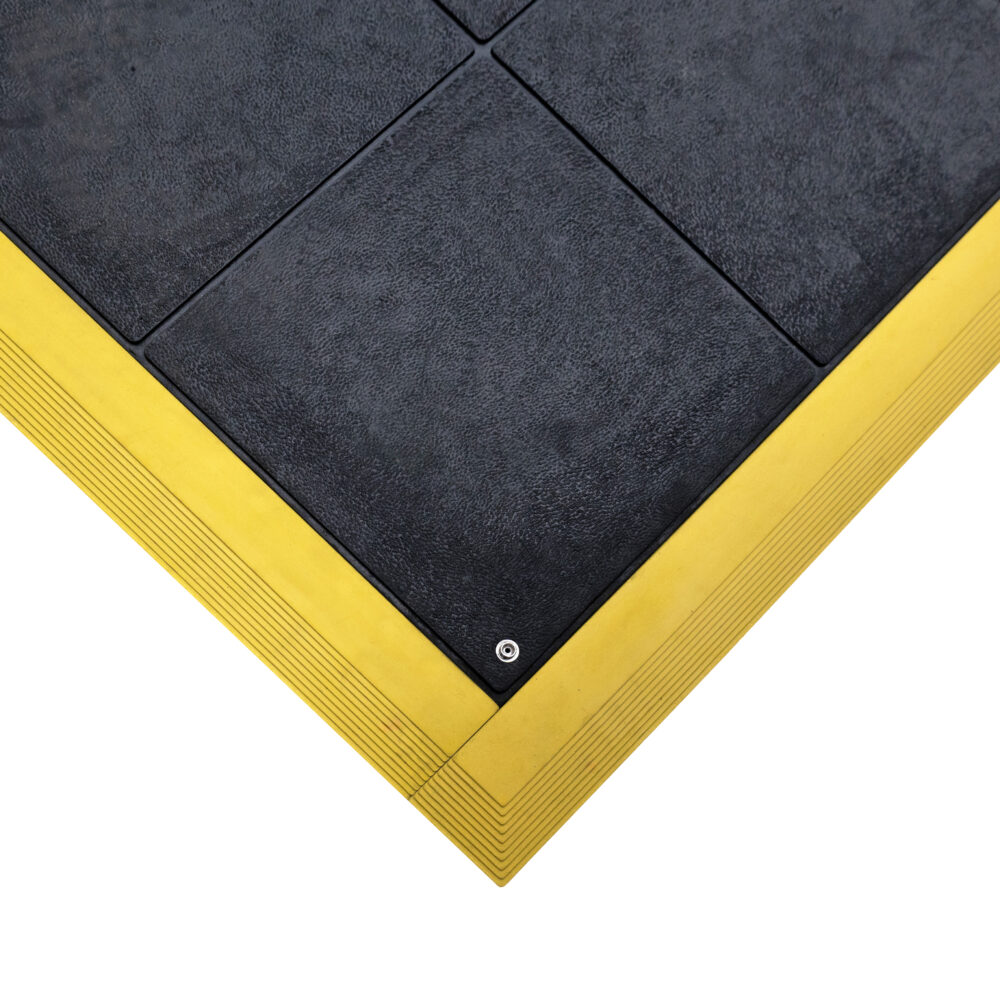
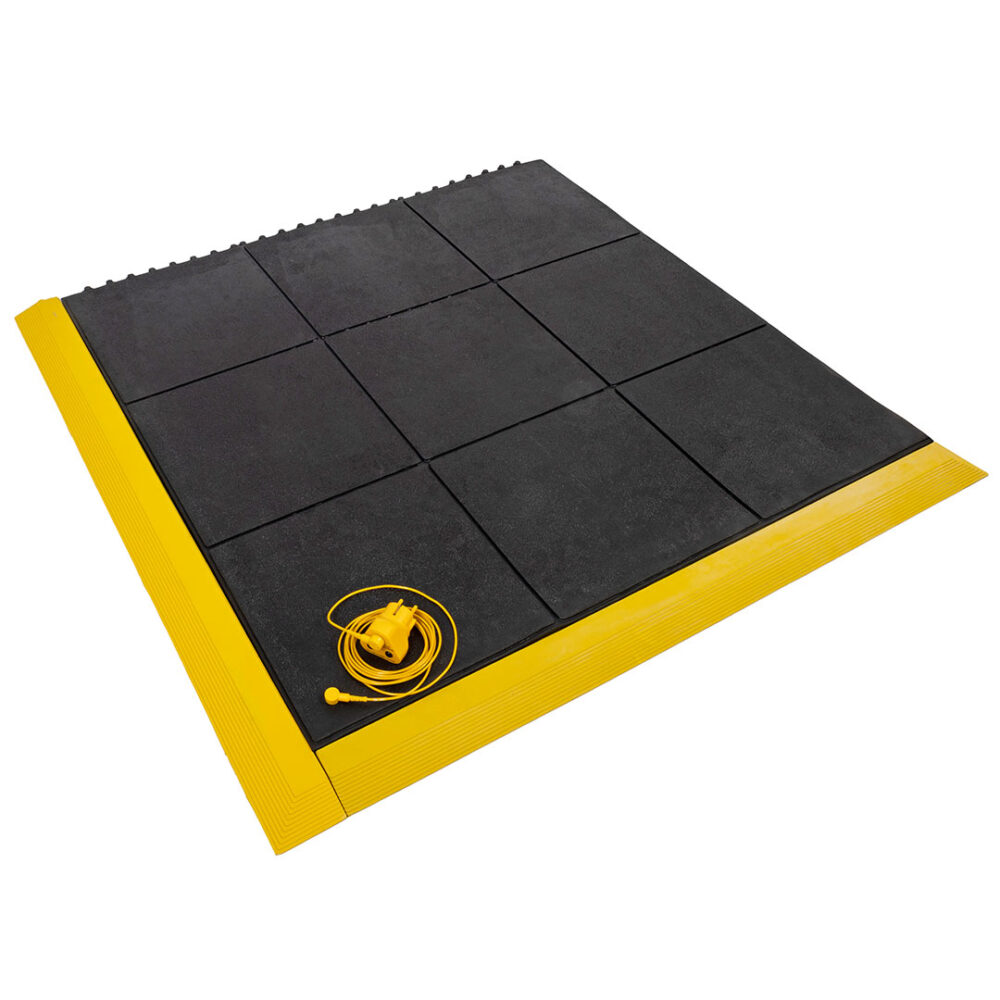
No, anti fatigue foot mat are not bad for you — in fact, they are specifically designed to support health and wellbeing in the workplace. These mats are beneficial for individuals who spend prolonged periods standing, such as workers in industrial, retail, or catering environments.
How anti-fatigue mats help:
Reduce physical fatigue: Standing on hard surfaces for extended periods can lead to discomfort and fatigue in the legs, feet, and lower back. Anti-fatigue mats encourage subtle muscle movement that improves blood flow, helping to reduce tiredness.
Support posture and joint health: The cushioning effect of these mats reduces strain on joints and helps maintain better posture over time.
Improve productivity and morale: By minimising discomfort, workers tend to experience increased focus, reduced absenteeism, and overall higher morale.
Common misconceptions:
Some people may worry that using soft mats could cause instability or tripping hazards. However, high-quality anti fatigue drainage mats engineered with non-slip surfaces and beveled edges to prevent such risks when used appropriately. It's important to choose the right mat for the environment (e.g., dry, wet, oily) and to maintain them properly to ensure safety.
When might they not be suitable?
Incorrect use: If a mat is not suited to the specific application or is poorly maintained, it can become a trip hazard or wear out prematurely.
Excessive softness: Mats that are too soft may lead to balance issues. Reputable manufacturers design mats with the ideal balance of support and cushioning to avoid this.
Conclusion: Anti-fatigue mats are a health-positive solution when properly chosen and maintained. They are widely recommended by occupational health experts to combat the negative effects of prolonged standing.