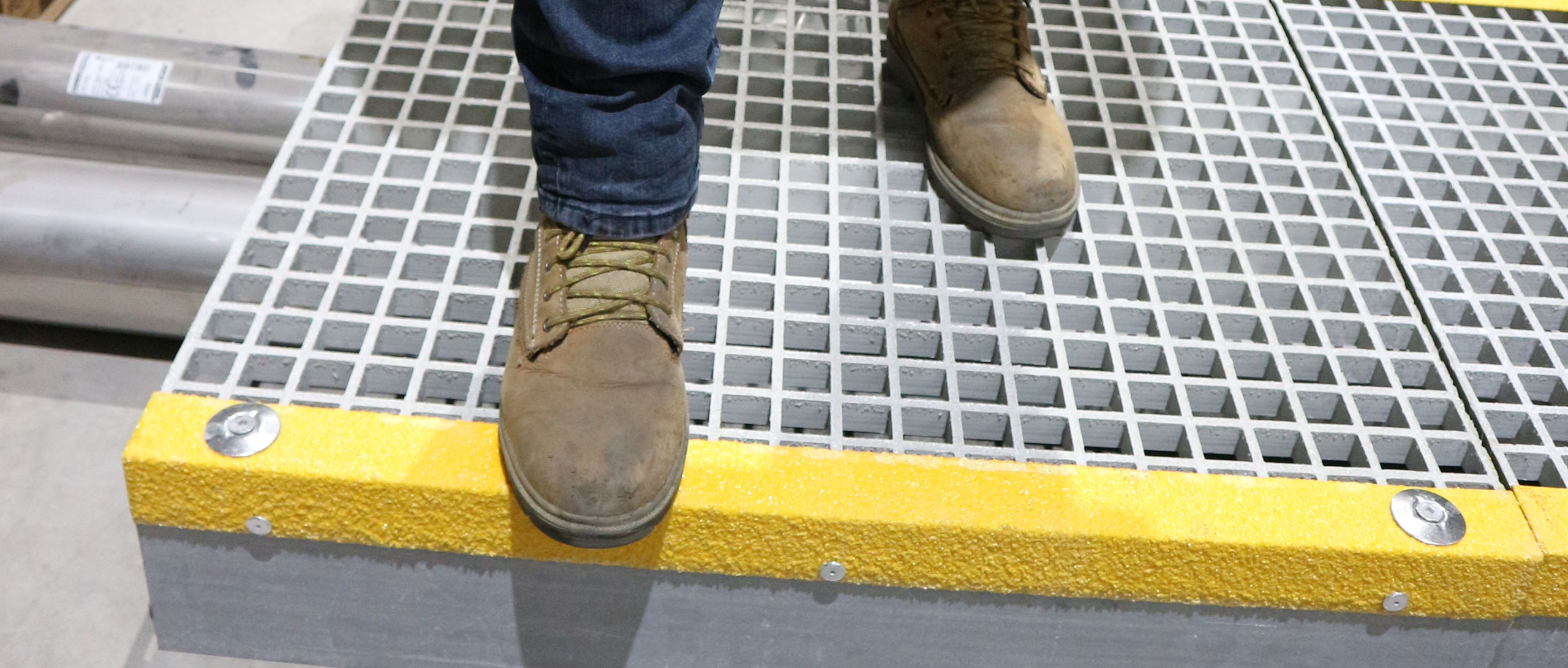
Reducing Slip Risks on Elevated Platforms and Walkways
Most workplace slips are inconvenient.
Some are serious.
On elevated platforms and walkways, the consequences can be significantly greater.
Maintenance teams, facilities personnel and industrial workers often rely on elevated access routes to reach equipment, inspect systems and perform essential tasks.
When surfaces become slippery or routes become obstructed, risk increases quickly.
Reducing slip risks on elevated platforms and walkways starts with creating safer, more predictable routes for movement.
Why Elevated Walkways Create Unique Safety Challenges
Elevated platforms often combine multiple risk factors.
Examples include:
- Working at height
- Restricted movement space
- Temporary maintenance activities
- Pipework and cables
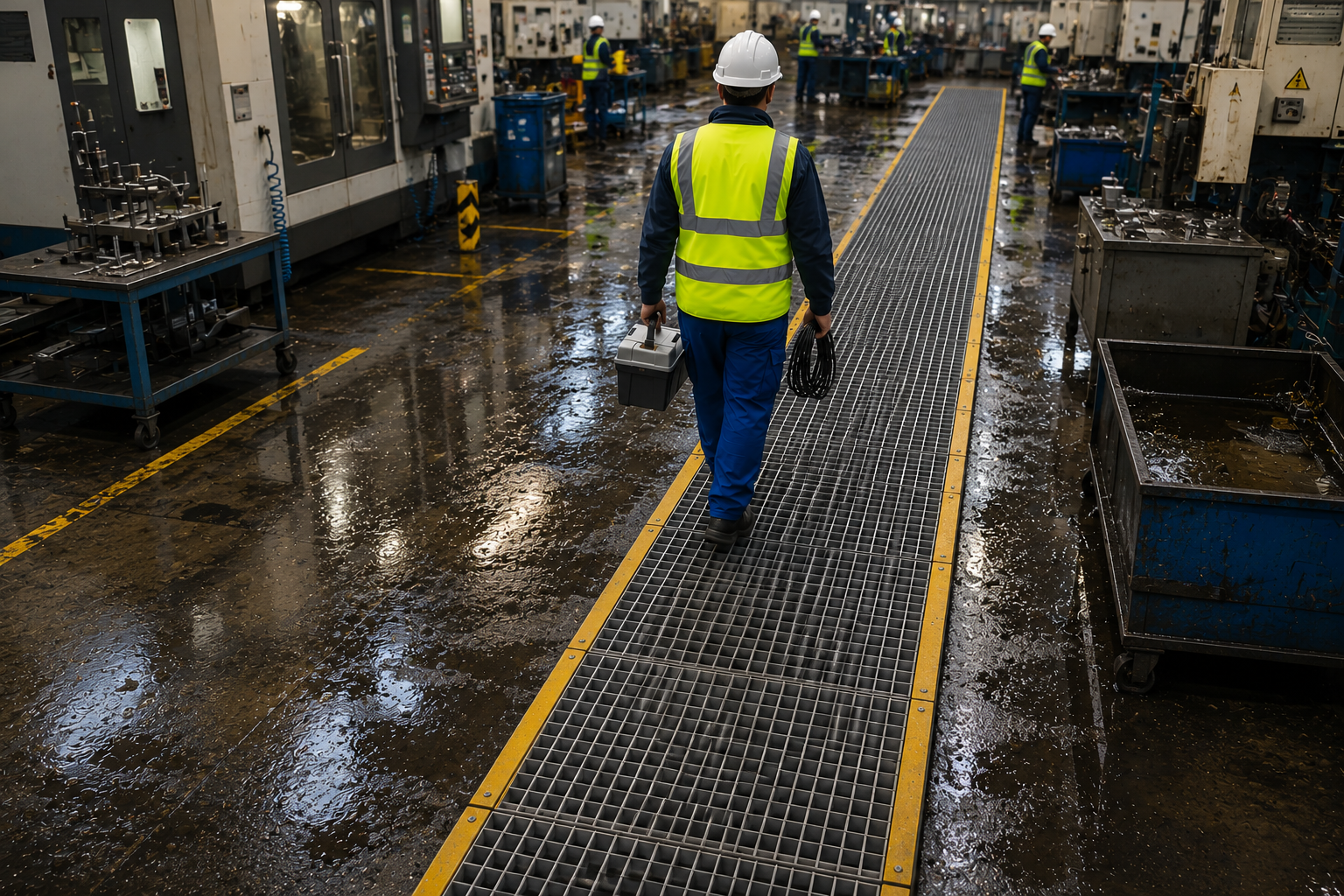
- Wet or contaminated surfaces
- High foot traffic
Each factor increases the importance of maintaining safe access routes.
The challenge is not simply reaching the platform.
It's moving safely once you're there. 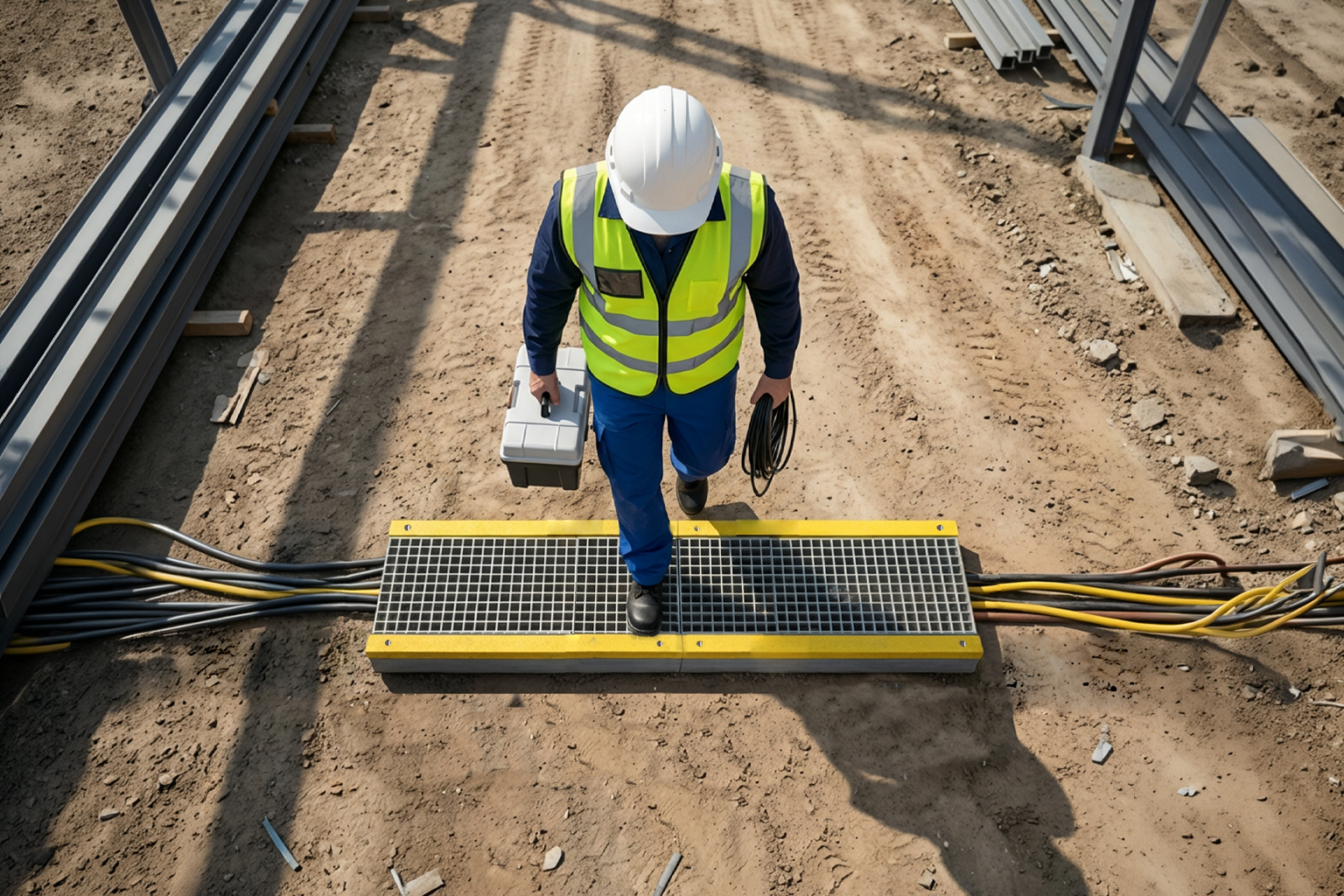
Common Causes of Slip Risks on Elevated Platforms
Slip incidents rarely occur without warning.
Common contributors include:
Wet Conditions
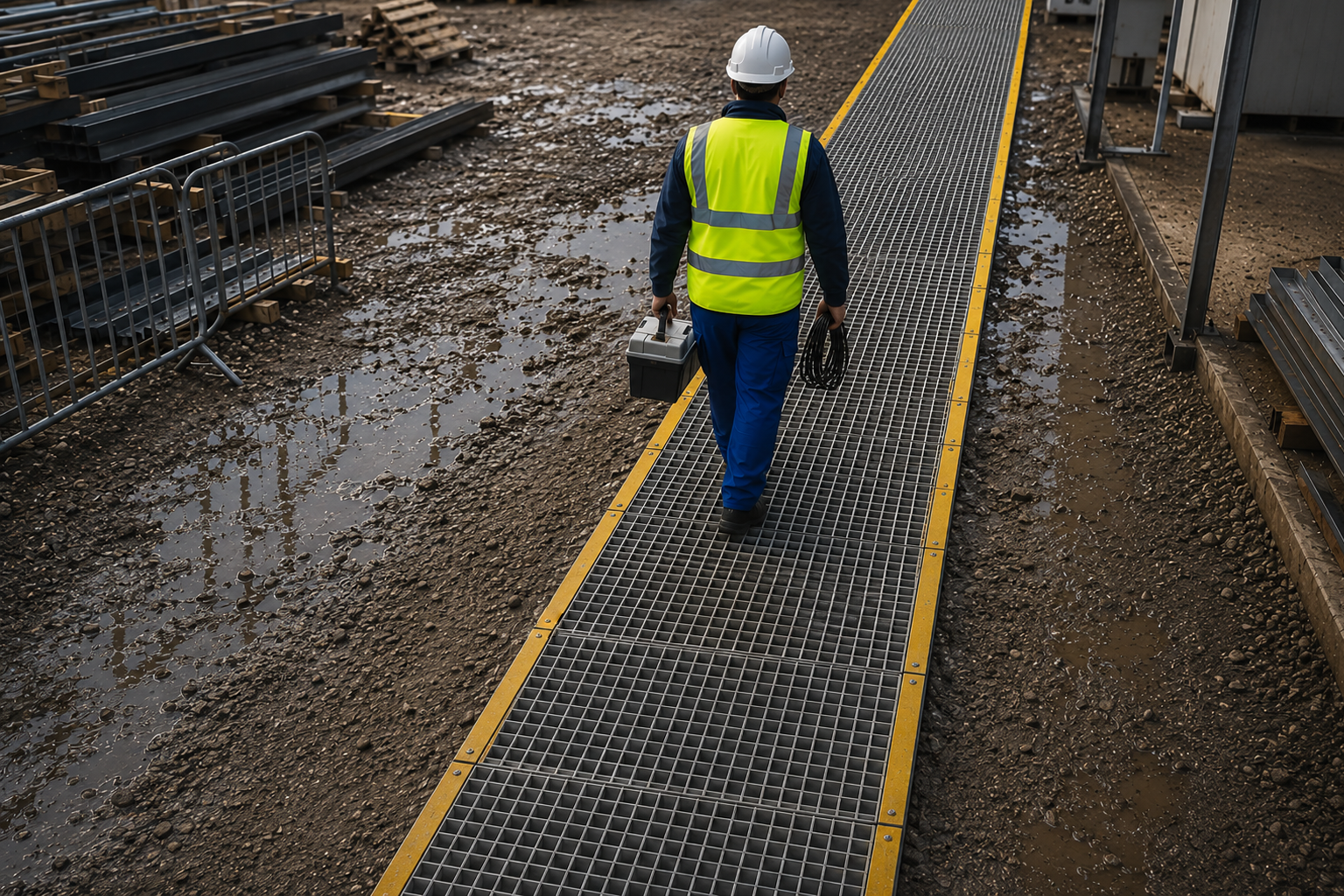
Rainwater, cleaning activities and condensation can reduce grip and stability.
Obstructed Walkways
Temporary equipment, hoses and cables often interfere with movement.
Maintenance Activities
Routine work can introduce additional hazards into access routes.
Poor Route Visibility
Unclear pathways increase the likelihood of missteps and unsafe movement.
Understanding these risks helps organisations implement more effective preventative measures.
Why Access Routes Matter More Than Warning Signs
Warning signs play an important role.
But signs alone do not remove hazards.
The most effective approach is often to improve the route itself.
Creating safer pathways helps workers:
- Move confidently
- Maintain productivity
- Avoid unnecessary risks
- Focus on the task at hand
Because the safest route is usually the one people naturally choose to use.
Maintaining Safe Access During Maintenance Activities
Maintenance environments are constantly changing.
One day a route is clear.
The next it contains:
- Temporary hoses
- Electrical cables
- Inspection equipment
- Service tools
Without planning, these temporary changes can increase slip and trip risks.
Providing dedicated crossing points helps maintain safer movement while allowing work to continue efficiently.
Safe Movement Supports Operational Efficiency
Reducing slip risks is not solely a safety objective.
It also supports:
- Improved workflow
- Reduced disruption
- Greater workforce confidence
- More efficient maintenance activities
- Better operational continuity
The most effective safety measures are often those that improve the way people work.
Better Access Creates Safer Outcomes
Elevated platforms and walkways are essential parts of many industrial environments.
Creating safer routes around hazards, maintaining access consistency and supporting confident movement can help significantly reduce workplace risk.
Because when people feel confident using an access route, they are more likely to use it safely.