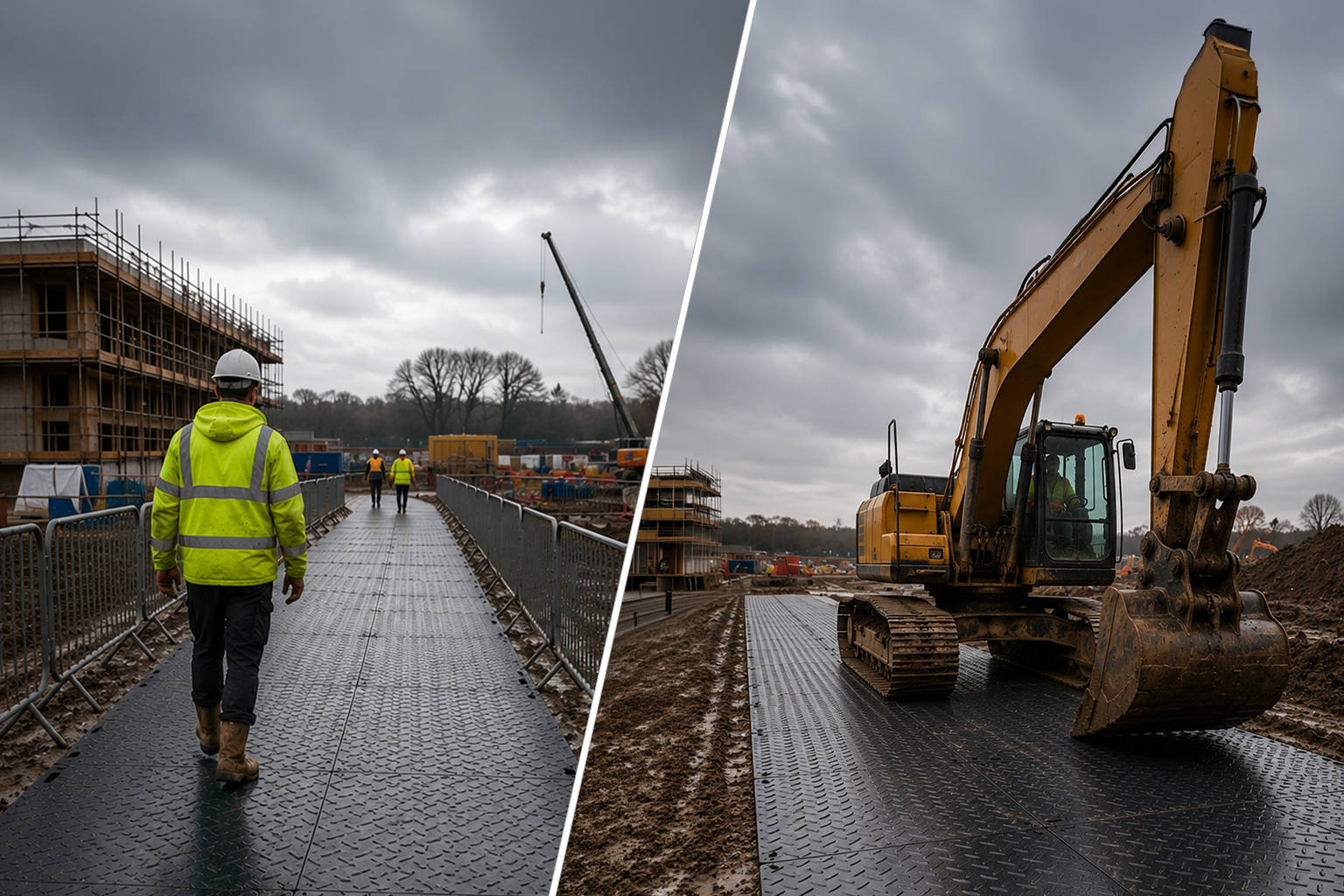
Not All Ground Problems Start on the Ground
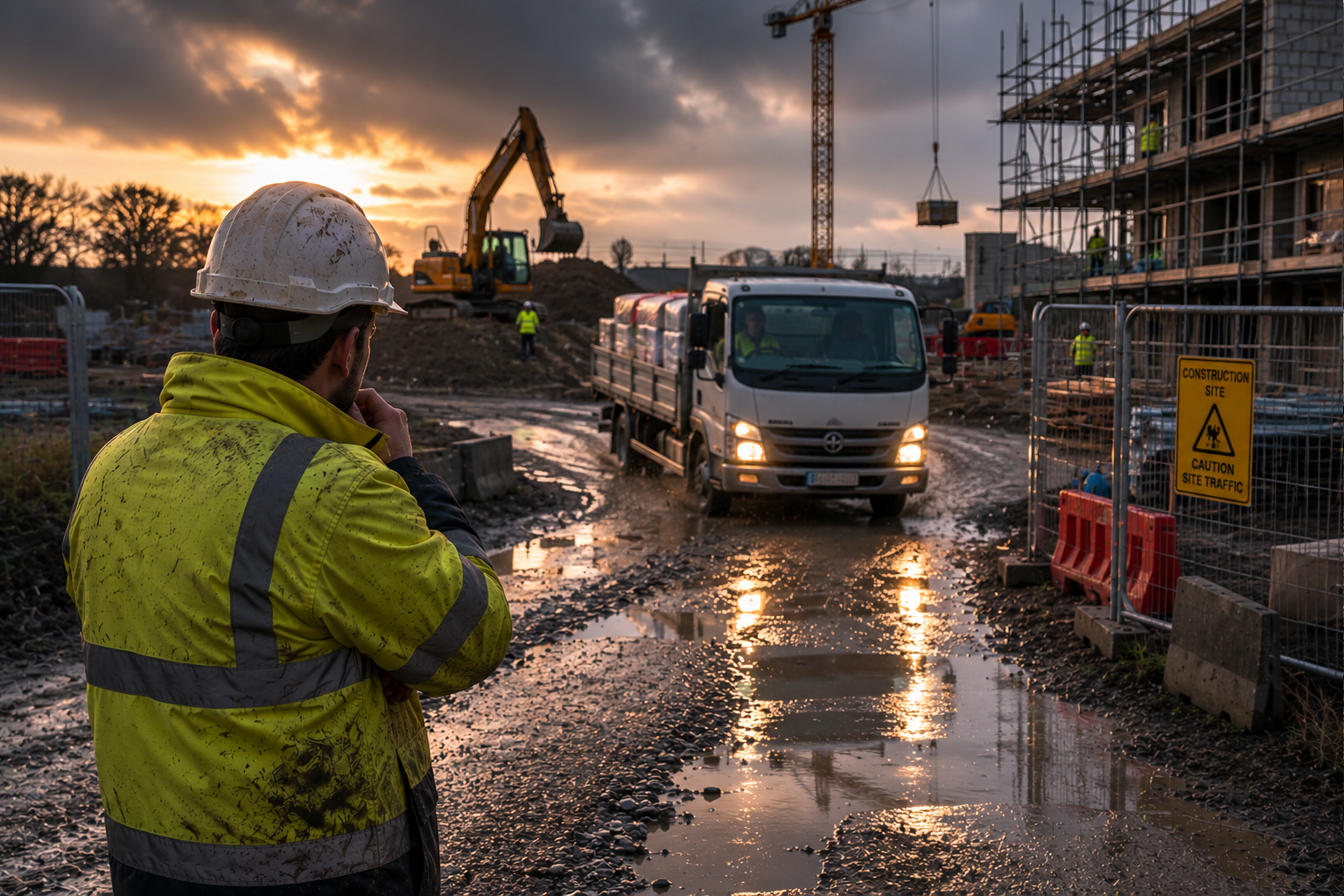 Not All Ground Problems Start on the Ground
A project can have the right people, the right equipment and the right schedule.
Then it rains.
Suddenly vehicles are struggling for traction. Access routes become unstable. Deliveries slow down. Equipment movement becomes restricted. What looked like a minor ground issue quickly turns into lost productivity, unexpected costs and project disruption.
The reality is that ground conditions often become a problem long before they become a safety issue.
The right ground protection mats help create safer, more reliable access routes for vehicles, equipment and pedestrians, helping projects maintain movement even when conditions become challenging.
But with so many ground protection mats, trackway systems and temporary access solutions available, how do you choose the right option?
This guide explains what to consider before selecting ground protection mats for construction sites, infrastructure projects, outdoor events and industrial environments.
Why Ground Protection Matters
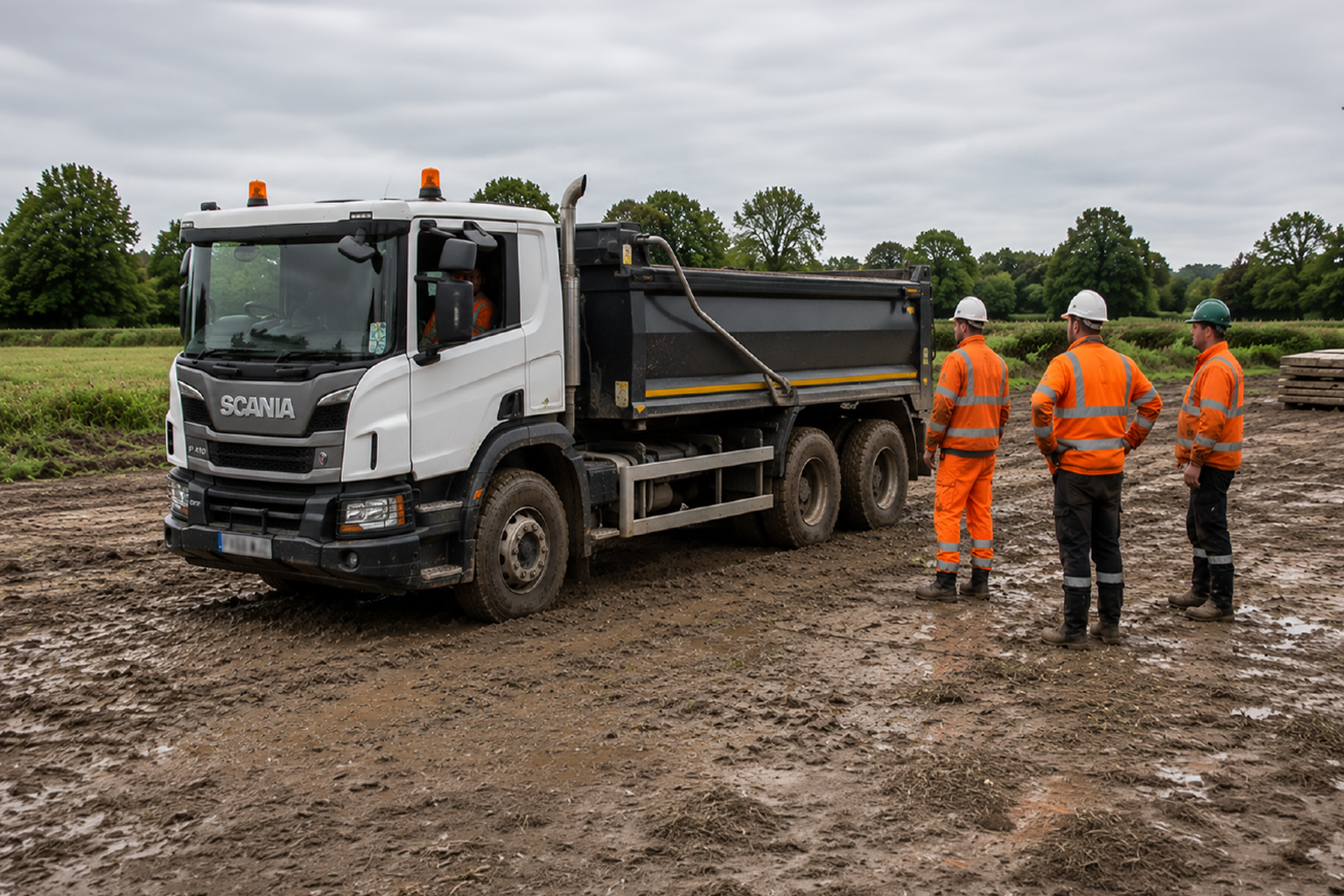
Ground conditions change constantly.
Rainfall, repeated vehicle movement, soft ground and heavy equipment can quickly create access challenges across active sites.
Without suitable ground protection, projects often face:
- Vehicles becoming stuck
- Delayed deliveries
- Damaged grass and surfaces
- Unsafe pedestrian access
- Increased site disruption
- Additional recovery and repair costs
Ground protection matting helps distribute weight more effectively across the surface below, reducing pressure on the ground while creating more stable temporary access routes.
The result is improved site movement, reduced disruption and greater operational continuity.