Sustainability in manufacturing is no longer a future ambition; it’s a present-day responsibility. As manufacturers face increasing pressure to reduce environmental impact and improve operational efficiency, sustainable manufacturing practices are becoming central to long-term business success. Across industries, businesses are being challenged to reduce environmental impact, improve efficiency and make smarter choices about the products and materials they use every day.
At COBA, we believe meaningful change often starts with the practical details. The flooring, matting and workplace safety solutions used within manufacturing environments may seem like small components in a larger operation, but collectively they can contribute towards safer, more efficient and more sustainable workplaces.
World Environment Day on 5th June is an important reminder that every industry has a role to play in creating a greener future, and manufacturing is uniquely positioned to drive positive change through innovation, operational improvements and responsible sourcing.
Sustainable Manufacturing and Better Environmental Outcomes
Modern manufacturing is evolving rapidly. Businesses are increasingly investing in technologies and processes that reduce waste, improve energy efficiency and extend product life cycles. From recycling initiatives and lean manufacturing principles to more conscious material selection, sustainability is becoming embedded into operational strategy.
This shift is not only environmentally responsible, it also makes commercial sense. Reducing waste and improving efficiency often leads to lower operating costs, improved employee wellbeing and stronger long-term resilience.
At COBA, we recognise the importance of sourcing, testing and offering products that are durable, fit for purpose and built to perform over time. Longevity matters. Products that last longer reduce unnecessary replacement, minimise waste and support more sustainable purchasing decisions.

The Importance of Responsible Material Choices
The conversation around sustainability increasingly centres on materials, where they come from, how they are manufactured and what happens to them at the end of their lifecycle.
Businesses are now looking beyond price alone and asking broader questions:
- Can this product withstand demanding environments for longer?
- Can an expert visit my site to recommend the right product thus reducing wastage?
- Does it support operational efficiency?
- Can it contribute towards safer and healthier workplaces?
- Is the manufacturer actively working to reduce environmental impact?
These are the kinds of questions driving positive change across the manufacturing sector.
As customer expectations evolve, manufacturers and suppliers alike are under growing pressure to deliver products that align with environmental goals without compromising on quality or performance.
How Workplace Safety Solutions Support Sustainability
Creating greener workplaces is not only about carbon reduction and recycling paper and cardboard, it’s also about creating environments where people can work safely and comfortably.
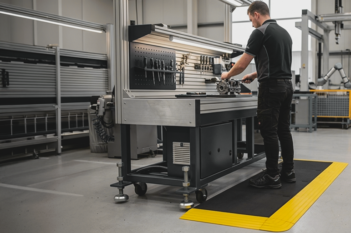
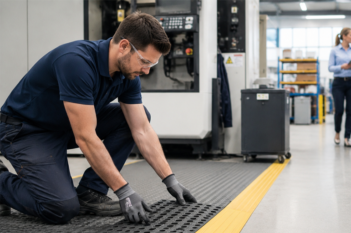
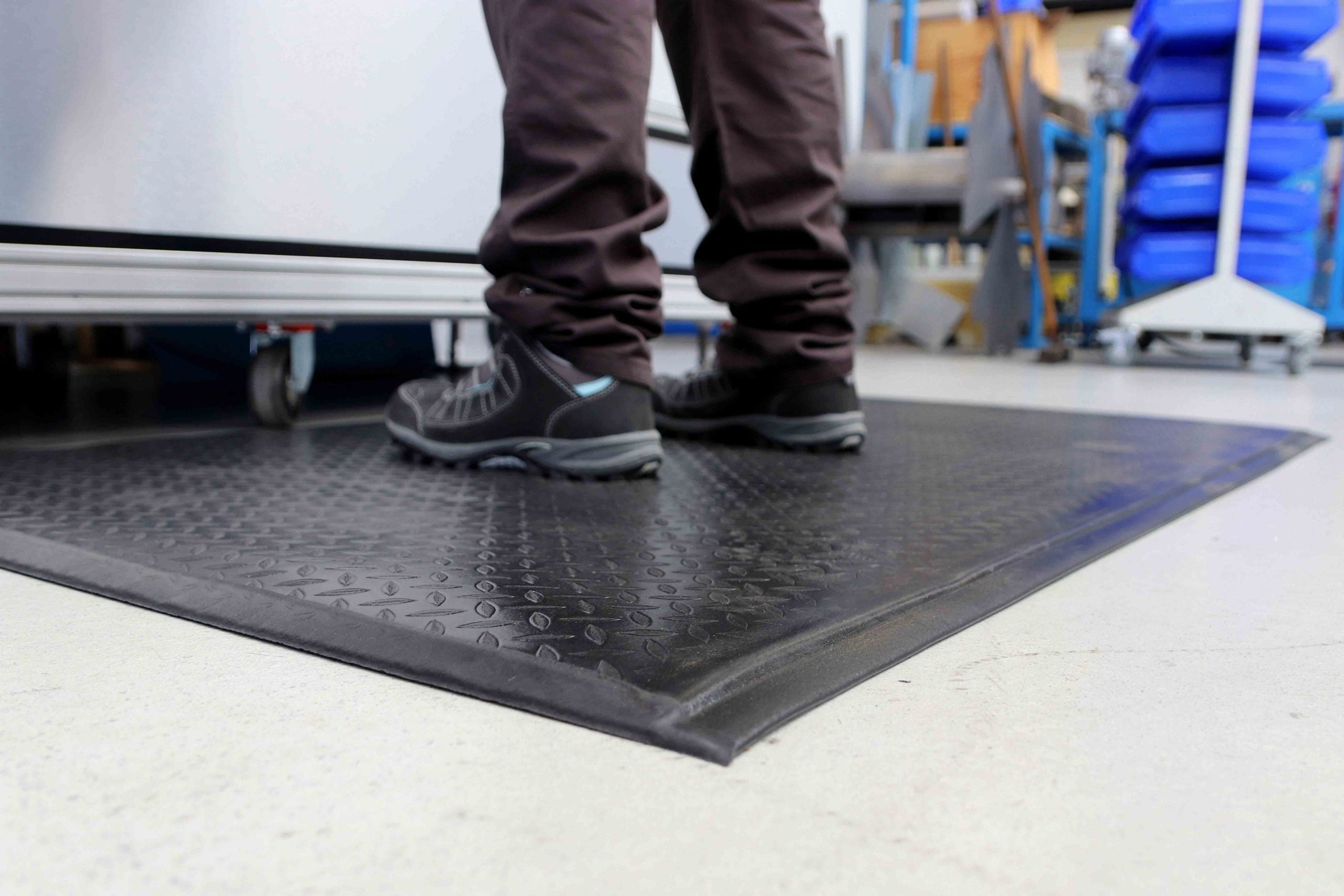
Anti-fatigue matting, entrance matting and workplace flooring solutions all play a role in supporting safer, cleaner and more productive environments. Effective matting systems can help reduce dirt ingress, minimise slip risks and improve workplace comfort, contributing towards healthier spaces and more efficient maintenance routines.
Sustainability should never be viewed in isolation. The most successful manufacturing environments are those that balance environmental responsibility with employee wellbeing, operational efficiency and long-term value.
Small Changes Create Collective Impact
World Environment Day reminds us that progress does not always come from one major breakthrough. Often, it’s the accumulation of smaller, smarter decisions that creates meaningful long-term impact.
Choosing longer-lasting products. Reducing waste. Improving operational efficiency. Investing in safer workplaces. Partnering with responsible suppliers.
These decisions matter.
At COBA, we remain committed to supporting businesses with practical workplace solutions designed to meet the demands of modern industry while recognising the growing importance of sustainability across every sector we serve.
Because building a greener future is not about perfection, it’s about progress.