NEW PRODUCTS 2026 – Now available – Take a look

Temporary Access During Wet Weather: Keeping Projects Moving When Conditions Change

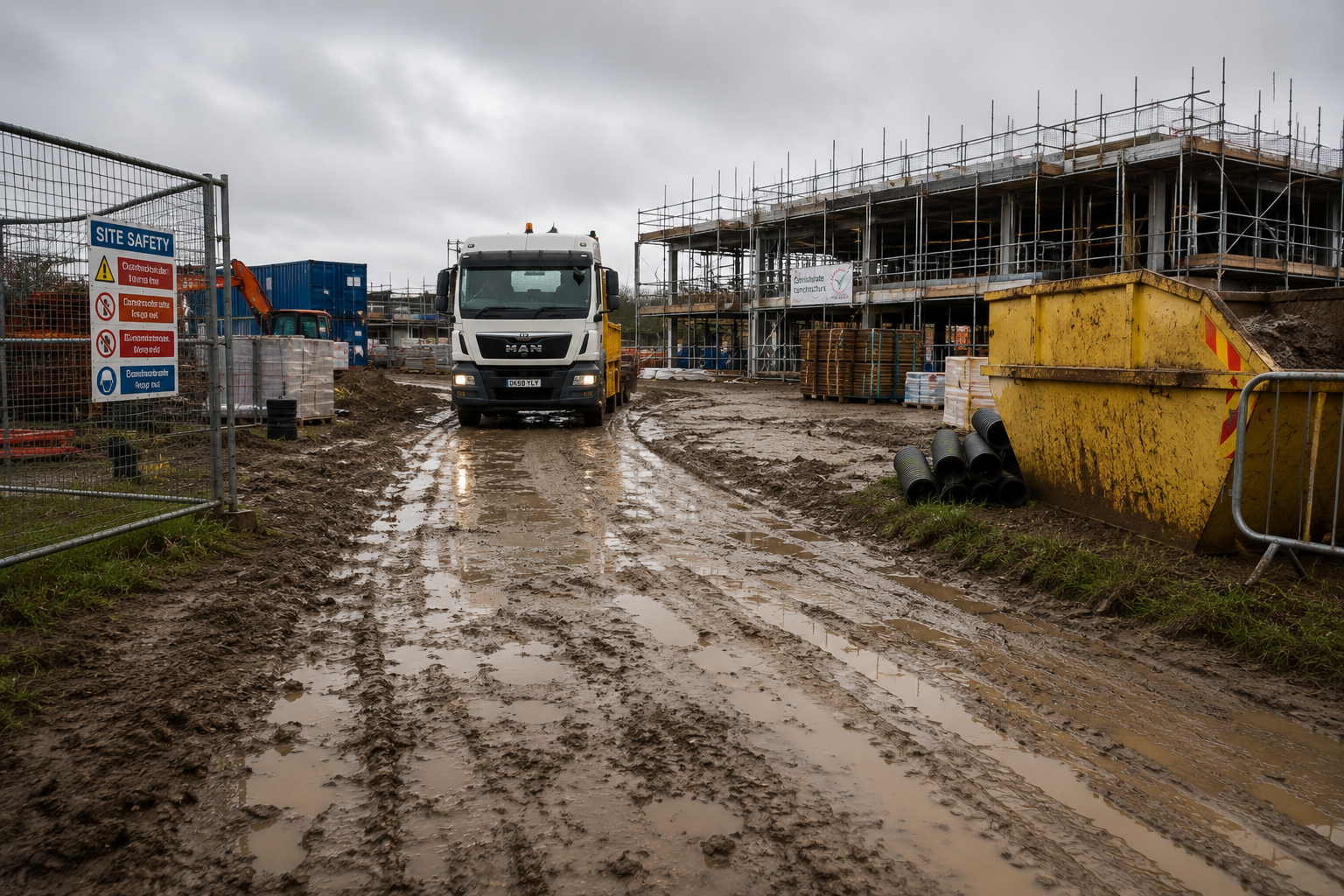
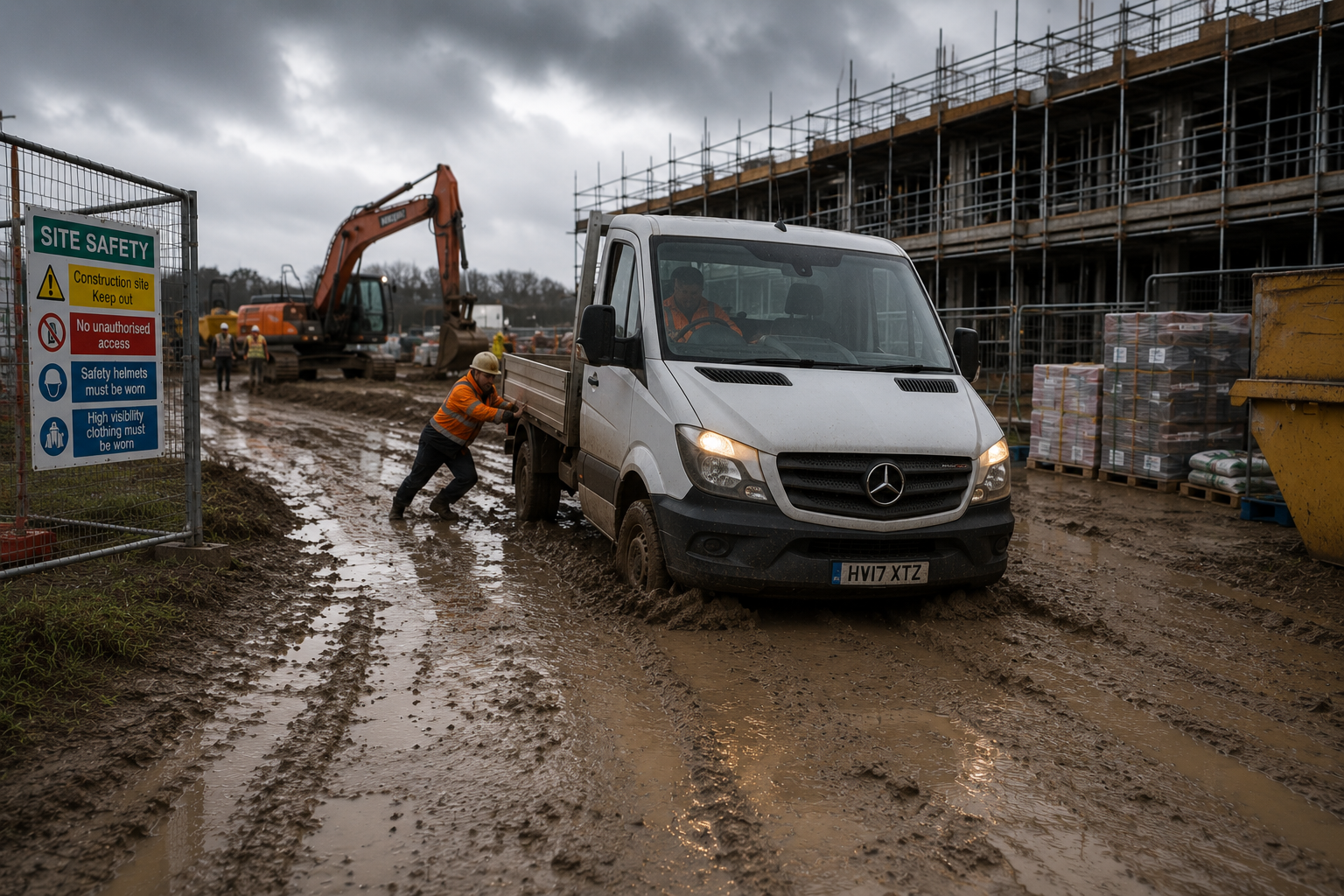
Construction site access route affected by wet weather conditions and muddy ground.Rain Doesn’t Delay Projects. Poor Access Does.

Most projects don’t stop because it rains.

They stop because vehicles can no longer reach where they need to go.

A period of heavy rain can quickly transform stable access routes into soft ground, muddy surfaces and operational bottlenecks. Deliveries become delayed. Workforce movement slows. Equipment access becomes restricted.

What begins as a weather challenge often becomes an operational challenge.

Maintaining temporary access during wet weather is not simply about convenience. It’s about protecting productivity, maintaining safety and reducing avoidable disruption.
The Hidden Cost of Wet Weather Site Access Problems

Rain creates more than muddy boots.

Across construction sites, infrastructure projects, industrial facilities and outdoor events, poor wet weather site access can create:

• Delayed deliveries
• Restricted vehicle movement
• Increased downtime
• Unsafe pedestrian routes
• Additional reinstatement costs
• Project schedule pressure

When access routes deteriorate, the effects are often felt across the entire project.

For many organisations, the cost of disruption quickly exceeds the cost of prevention.

Vehicle struggling to access a muddy construction site during wet weather.

Why Vehicles Get Stuck When Conditions Deteriorate

Many sites are designed around normal operating conditions.

The challenge is that weather rarely follows the programme.

When ground becomes saturated, vehicle loads place increased pressure on the surface below. The result can include:

Loss of Traction

Vehicles struggle to maintain movement across soft ground.

Surface Failure

Repeated traffic creates ruts, instability and damage.

Restricted Access

Critical equipment and deliveries can no longer reach their destination efficiently.
The longer poor conditions continue, the greater the operational impact becomes.

Temporary Access Mats: A Practical Response to Wet Weather

When conditions change, access needs to remain reliable.

Temporary access mats help distribute loads across a larger surface area, reducing pressure on the ground beneath while creating more stable access routes.
Benefits include:

• Improved vehicle access
• Reduced ground damage
• Faster deployment
• Safer workforce movement
• Reduced operational disruption

For many projects, temporary access mats provide an effective way to maintain continuity during periods of prolonged rainfall.

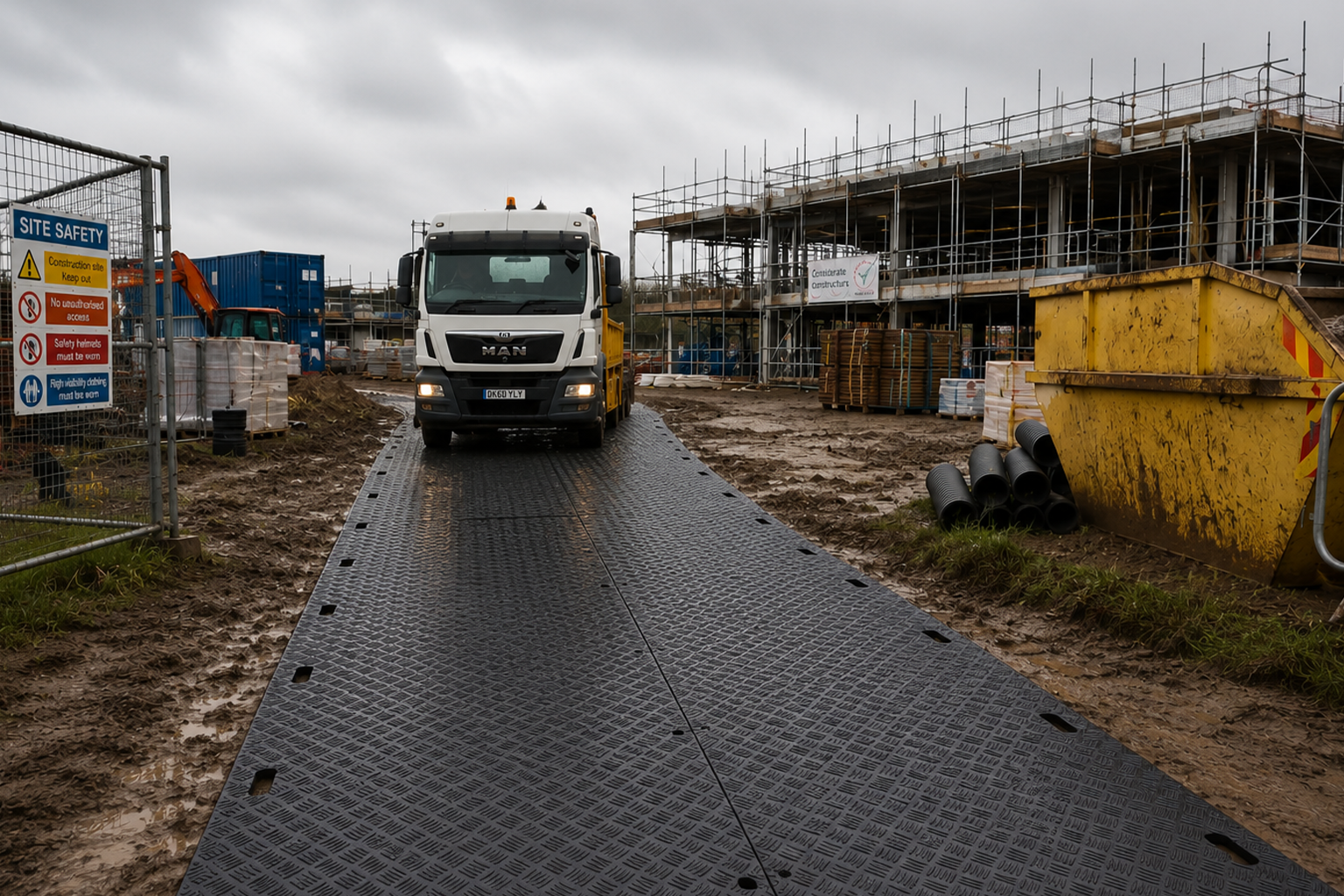
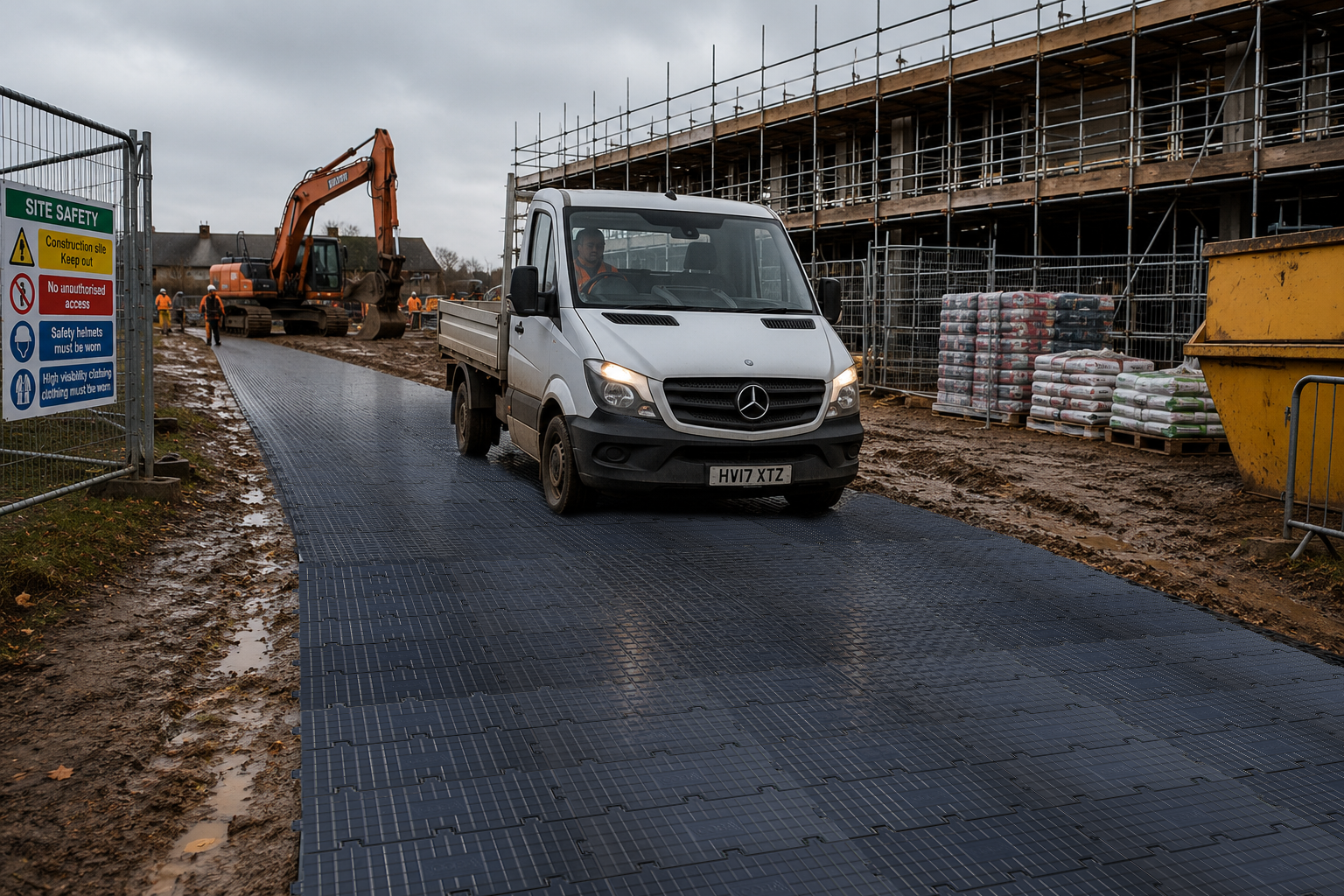
Ground protection mats creating stable vehicle access across wet ground conditions.

Ground Protection for Wet Conditions: Choosing the Right Solution

Not all wet weather access solutions are the same.

The correct approach depends on:

Vehicle Type

Heavy plant equipment requires different support compared to pedestrian access.

Ground Conditions

Soft soil, grass, gravel and hardstanding all behave differently during wet weather.

Duration of Use

Temporary access requirements vary significantly between short-term projects and long-term operations.

Traffic Volume

The more vehicles using the route, the greater the need for durable support.

Understanding these factors helps ensure the chosen solution remains effective throughout the project lifecycle.

Temporary Access for Heavy Vehicles

Heavy vehicle movement is often where wet weather creates the greatest operational risk.

Examples include:

• Excavators
• Telehandlers
• Delivery vehicles
• Cranes
• Site welfare units

Heavy-duty access mats and temporary roadway mats help create more reliable access routes while reducing the likelihood of vehicle recovery costs and delays.

Heavy-duty access mats supporting vehicle movement during wet weather.


Wet Weather Doesn’t Have to Mean Operational Disruption

The most successful projects are rarely the ones that avoid bad weather.

They are the ones that prepare for it.

Temporary access solutions help organisations respond proactively to changing conditions, supporting safer movement, improved productivity and greater business continuity when conditions become challenging.

Whether you’re managing a construction site, infrastructure project, industrial facility or outdoor event, maintaining access remains one of the most effective ways to reduce disruption during wet weather.

Keep Projects Moving When Conditions Change

Rain is often unavoidable.

Project delays don’t have to be.

Ground protection mats, temporary roadway mats and trackway systems help maintain access, reduce disruption and support operational continuity when conditions deteriorate.

Explore Ground Protection Solutions

Stay Up to Date

Get the latest floor safety articles, product updates and offers.


    We don’t spam and will never sell your data. Please read our privacy policy.

    Get in Touch

    Email: sales@coba.com • Telephone: 01788 228 555

    Follow us on Social