How do anti-fatigue mats work?

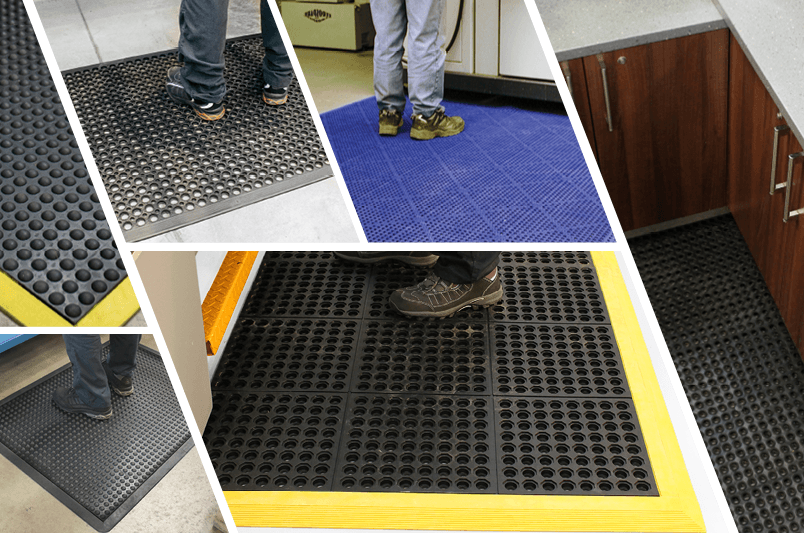
Worksafe Senso Anti-Fatigue Mat

Anti-fatigue mats are designed to reduce discomfort, fatigue and health risks caused by prolonged standing at work. This guide explains what anti-fatigue mats are, how they work, whether they really work, and when standing mats should be used, backed by ergonomic science and real workplace data.
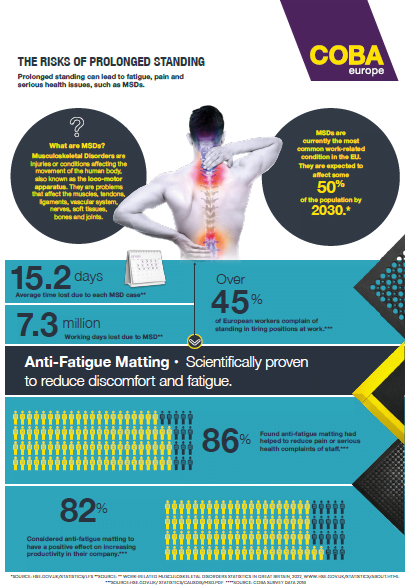
What is an anti-fatigue mat?

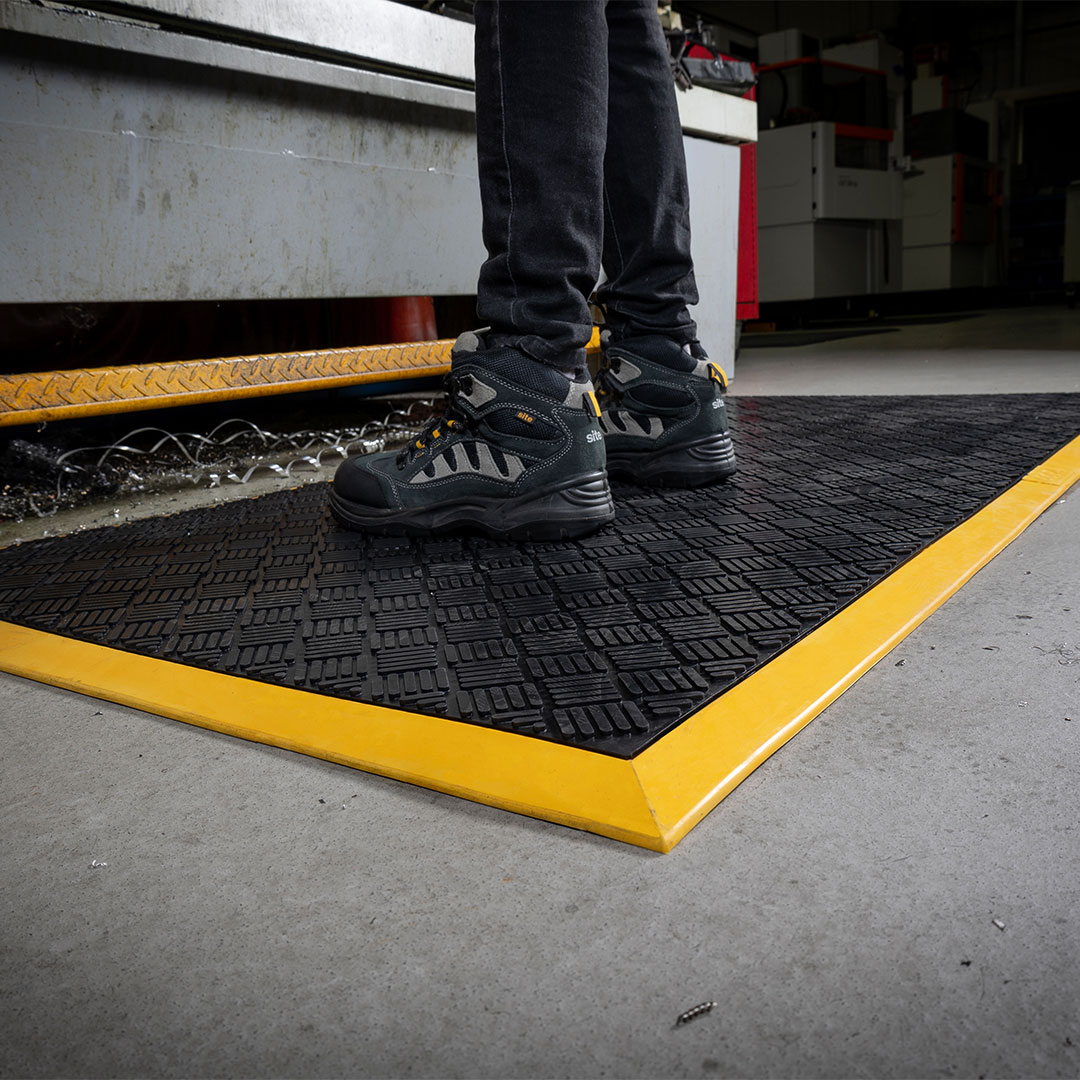
An anti-fatigue mat is a type of standing mat designed to reduce physical strain when people stand for long periods on hard floors such as concrete, tile or industrial surfaces. Anti-fatigue mats work by providing a cushioned, supportive surface that encourages subtle movement in the feet and leg muscles.

Unlike standard floor mats, anti-fatigue mats are engineered to improve circulation, reduce muscle tension and minimise pressure on joints. They are commonly used in workplaces such as manufacturing facilities, warehouses, commercial kitchens, retail environments and offices where prolonged standing is unavoidable.

How do anti-fatigue mats work?

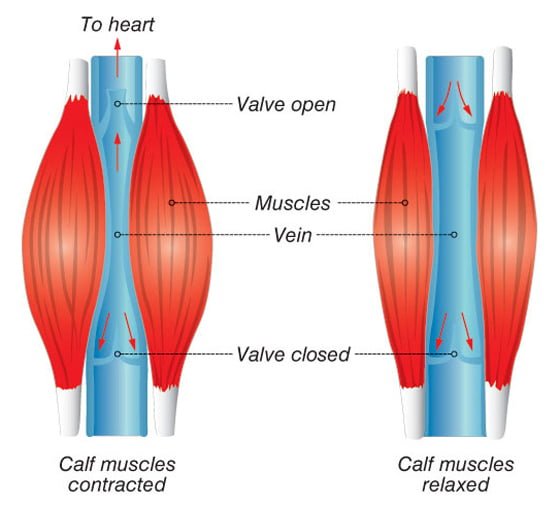
Anti-fatigue mats work by creating a cushioned, slightly unstable surface that encourages small, natural movements in the feet and lower legs. These micro-movements activate the vein-calf pump, helping to improve blood circulation and reduce the muscle fatigue associated with standing still for long periods.


Standing on hard floors restricts circulation and places continuous pressure on the feet, knees and lower back. Anti-fatigue matting distributes weight more evenly, absorbs shock and reduces strain on muscles and joints, helping workers stay comfortable and focused for longer.

Do anti-fatigue mats really work?


Yes, anti-fatigue mats do work when they are correctly specified for the environment and task. Research and workplace studies consistently show that anti-fatigue mats help to:

  • Reduce leg, foot and lower back discomfort
  • Improve circulation during prolonged standing
  • Lower the risk of musculoskeletal disorders (MSDs)
  • Increase comfort and productivity at work

Health and Safety Executive (HSE)


According to the Health and Safety Executive (HSE), work-related musculoskeletal disorders accounted for over 7.3 million lost working days in 2021/22. COBA’s own Standing at Work survey found that 86% of respondents reported reduced pain and improved comfort after introducing anti-fatigue matting.

Uncover the real impact of Fatigue on the UK work force, by reading our full survey results:

Download our Darmstadt White Paper on Anti fatigue Matting

What is a standing mat?

A standing mat is a general term used to describe any mat placed on the floor to make standing more comfortable. Standing mats can include anti-fatigue mats, anti-slip mats, drainage mats and insulated mats.

Anti-fatigue mats are a specific type of standing mat designed for prolonged standing, offering ergonomic support rather than simple cushioning or grip.

For workplaces where employees stand for extended periods, anti fatigue mats for workplaces provide targeted comfort, durability and long-term health benefits.

Standing mats: what they are and when to use them

Standing mats are used in environments where people stand in one place for extended periods. The right type of standing mat depends on the environment:

Anti Slip Mats

Choosing the correct mat ensures comfort, safety and durability, while reducing the risk of fatigue-related injuries.

What does an anti-fatigue mat do?

Anti-fatigue mats are designed to alleviate discomfort caused by prolonged standing by:

  • Reducing pressure on joints and muscles
  • Encouraging movement to improve circulation
  • Absorbing shock from hard floors
  • Improving posture and balance

By providing a softer, responsive surface, anti-fatigue mats help workers remain comfortable, alert and productive throughout the day.

Are anti-fatigue mats bad for you?

No, anti-fatigue mats are not bad for you when they are correctly selected and installed. Poor-quality mats or mats used in the wrong environment can cause discomfort or create trip hazards, but high-quality anti-fatigue matting with bevelled edges and anti-slip backing is designed to improve safety and comfort.

Choosing the Right Mat, First Time™ is essential to ensure performance and longevity.

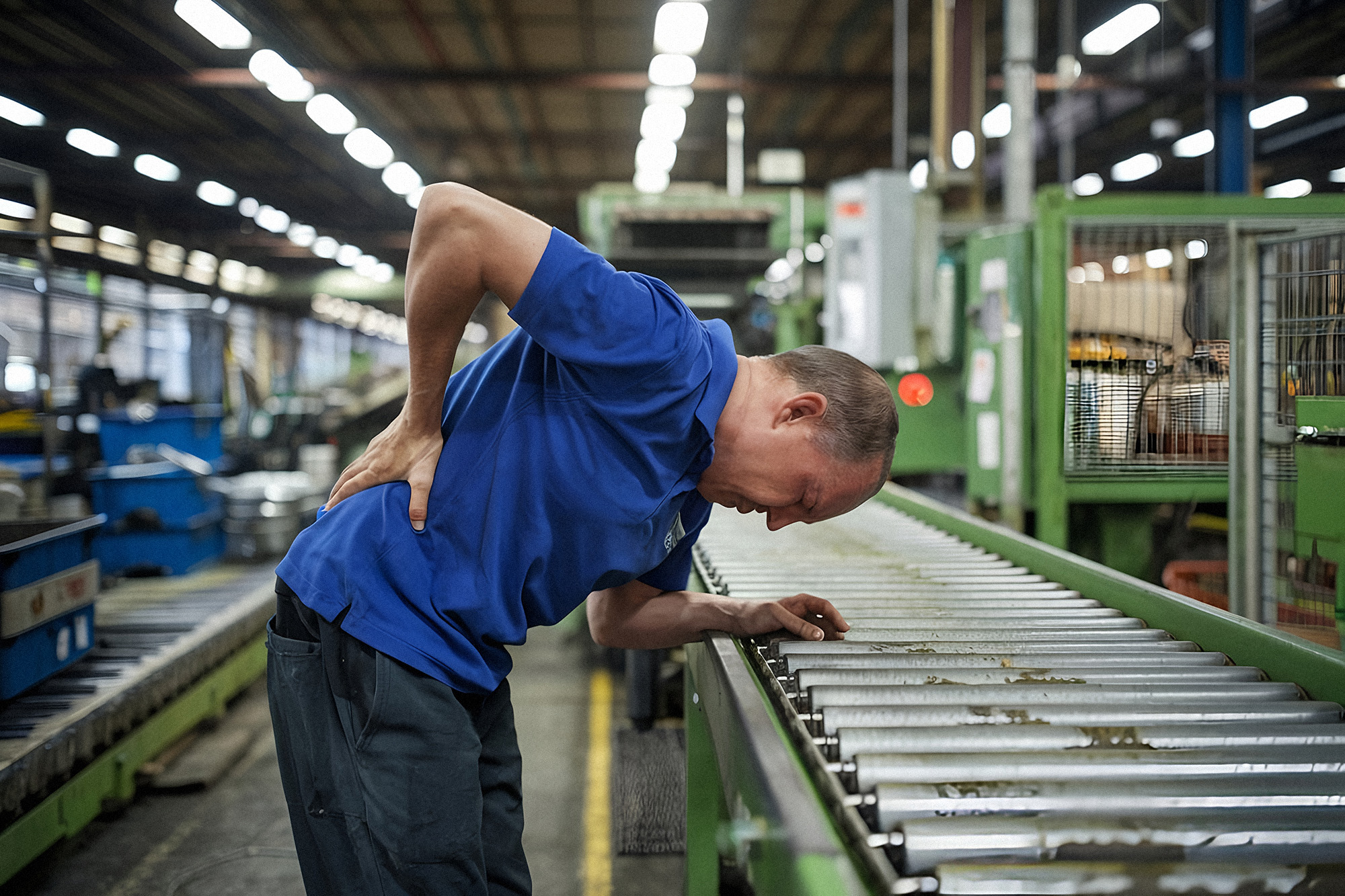
Standing worker in pain

Do anti-fatigue mats help back pain?

Yes, anti-fatigue mats can help reduce lower back pain associated with prolonged standing. By promoting micro-movements and reducing pressure on the spine, these mats help relieve muscle tension and improve posture.

They are particularly effective in workplaces where standing is static, such as assembly lines, packing stations and service counters.

What environments are anti-fatigue mats used for?

Anti-fatigue mats are commonly used in:

  • Manufacturing and industrial environments
  • Warehouses and packing areas
  • Commercial kitchens and catering
  • Retail and service counters
  • Healthcare and laboratory settings

Each environment has specific requirements relating to foot traffic, chemicals, hygiene and slip resistance.

Checkout our Buying guide on selecting the best anti-fatigue matting solutions for an airport environment.

So, are anti-fatigue mats worth it?

Anti-fatigue mats are worth the investment for workplaces where prolonged standing is common. By improving comfort, reducing fatigue and lowering the risk of injury, they support employee wellbeing while helping businesses reduce absences and improve productivity.

For organisations looking to improve standing comfort, investing in high-quality anti-fatigue matting delivers measurable long-term benefits.


Stay Up to Date

Get the latest floor safety articles, product updates and offers.


    We don’t spam and will never sell your data. Please read our privacy policy.

    Get in Touch

    Email: sales@coba.com • Telephone: 01788 228 555

    Follow us on Social