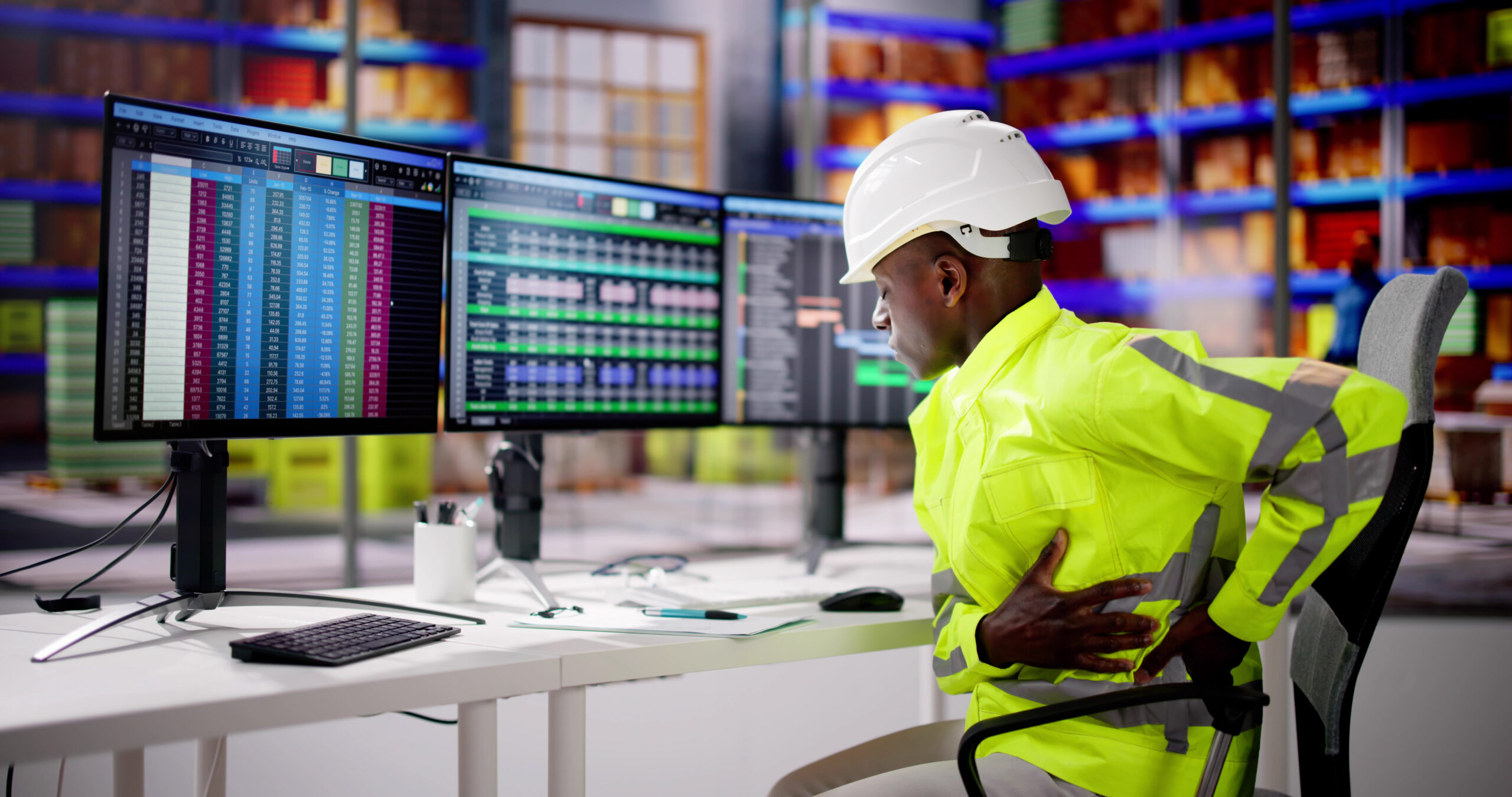
In tough, hands-on workplaces like factories, warehouses, and production lines, the dangers of prolonged sitting are often overlooked. Break times, shift changes, or machine-monitoring tasks can add up to hours of sitting — and that’s where the risks kick in.
Studies show that sitting too much is linked to Type 2 diabetes, heart disease, circulation problems, and even early death. Worse, it can undo the benefits of staying active outside of work.
The good news? With the right tools — like anti-fatigue mats, standing desks for control rooms, and simple movement breaks — you can fight back.
8 Side Effects of Sitting Too Much on the Job
Even in industrial environments, where work is physically demanding, long spells of sitting can cause:
• Poor blood flow and swollen legs
• Stiff joints and back pain
• Fatigue that slows you down on shift
• Increased risk of heart disease
• Muscle weakness from lack of movement
• Higher chance of injury when standing suddenly after long rest
• Weight gain around the waist (hidden visceral fat)
• Higher stress and mental fatigue

Why Standing and Moving is a Game-Changer in Industry
Adding more standing and movement into the workday helps to:
• Improve circulation (less pins and needles, fewer swollen ankles)
• Keep energy levels steady through long shifts
• Reduce musculoskeletal problems and injury risk
• Boost focus and reaction times — critical in safety-first environments
• Support long-term health so workers can stay strong on the job
Practical Fixes for Industrial Settings
Standing and moving more doesn’t have to slow the job down. Here’s how to make it work:
• Standing desks for control panels and operator stations – keeps workers alert while monitoring machines.
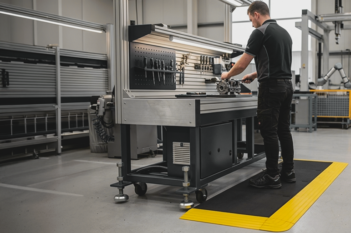
• Anti-fatigue mats – reduce strain on joints and keep legs fresh, especially in long-standing roles.
• Active breaks – stretch, walk, or do light mobility exercises during downtime or task switches.
• Shift-friendly routines – encourage moving every 30 minutes, even if it’s just standing up and pacing for a few seconds.
Employers: Building Safer, Healthier Workplaces
In industrial environments, employers can make a real difference by:
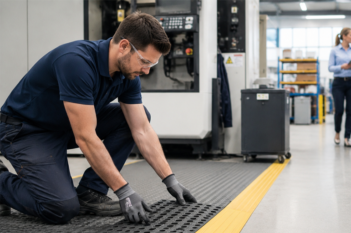
• Installing anti-fatigue and safety mats where staff stand or transition between sitting and standing.
• Offering site surveys to identify problem zones and recommend the right matting solutions.
• Running toolbox talks or training on the risks of prolonged sitting and how to break it up.
• Encouraging a culture of movement that helps keep staff alert, safe, and productive.
Practical Tips for Office Workers
For those desk-bound, incorporating simple exercises like neck rolls and wrist stretches can counteract the effects of prolonged sitting. Setting reminders to stand or move every hour is key to avoiding sitting too long. Standing on an anti-fatigue cushion mat will contribute in your comfort.
Optimising workspace ergonomics is equally important. Adjusting chair height and monitor position can prevent discomfort and promote healthier sitting habits, reducing the risks associated with prolonged sitting at work.
Bottom Line: Stay on Your Feet, Stay on Your Game
Whether you’re on a production line, in a warehouse, or at a control station, sitting too long can be just as risky as standing too long. The key is balance: move often, stand when possible, and support your body with the right equipment.
With smart solutions like anti fatigue mats, standing setups, and built-in movement breaks, industrial workplaces can keep workers healthier, safer, and performing at their best.